
.jpeg)
Important information and correct usage of enzalutamide (enzalutamide) package insert
Enzalutamide is an androgen receptor inhibitor primarily used to treat castration-resistant prostate cancer (CRPC) and metastatic hormone-sensitive prostate cancer (mHSPC). Its mechanism of action is to inhibit the growth of prostate cancer cells by blocking the activation of androgen receptors. The drug has been approved by the FDA, EMA and NMPA and is widely used in standard treatment options for prostate cancer. The following is key information from the package insert for enzalutamide and how to use it correctly.
1. Indications and mechanism of action
Enzalutamide (enzalutamide) is suitable for:
Castration-resistant prostate cancer (CRPC): Prostate cancer that continues to progress even after androgen deprivation therapy (ADT).
Metastatic hormone-sensitive prostate cancer (mHSPC): Indicated for patients receiving androgen deprivation therapy to slow disease progression.
The mechanism of action of enzalutamide is different from traditional antiandrogens. It inhibits androgen signaling through multiple mechanisms, including:
Directly blocks the binding of androgens to androgen receptors and inhibits their activation.
Prevents receptors from entering the cell nucleus and blocking gene transcription.
Recommended dose: 160mg (i.e. 4 40mg capsules) daily, taken orally once.
How to take: Can be taken with food or on an empty stomach. The capsule must be swallowed whole and cannot be chewed or broken.
Dose adjustment: If serious side effects occur (such as epilepsy, high blood pressure), the doctor may adjust the dose or suspend the medication.
3. Main adverse reactions and countermeasures
Common adverse reactions of enzalutamide include:
Fatigue (most common): Patients are advised to arrange their work and rest appropriately and maintain appropriate exercise.
Hypertension: Blood pressure should be monitored regularly and antihypertensive drugs should be used if necessary.
Fall and fracture risk: Bone density testing and calcium and vitamin D supplementation are recommended.
Central nervous system symptoms (such as epilepsy, dizziness): A small number of patients may experience epileptic seizures, especially those with a history of previous neurological diseases and should be used with caution
Abnormal liver function: It is recommended to check liver function regularly. If severe liver damage occurs, the dose needs to be adjusted or the drug discontinued.
4. Precautions and medication for special groups
Patients with epilepsy or neurological diseases: Because enzalutamide (enzalutamide) may lower the epilepsy threshold, it is recommended that doctors use it after careful evaluation.
Patients with cardiovascular disease: Patients with hypertension and coronary heart disease should monitor their cardiovascular health regularly.
Elderly people: may be more sensitive to drugs and should be monitored more closely.
Men of childbearing age: Enzalutamide (enzalutamide) may affect fertility, and effective contraceptive measures should be taken during use.
5. Drug interactions
CYP3A4, CYP2C8 metabolism: Enzalutamide (enzalutamide) is mainly metabolized by CYP enzymes, and coadministration with CYP3A4 or CYP2C8 inhibitors (such as ketoconazole, ritonavir) may affect drug concentration.
Combined use with anticoagulant drugs (such as warfarin): coagulation function needs to be monitored to prevent the risk of bleeding.
Avoid co-administration with strong inducers (such as carbamazepine, phenytoin), otherwise the efficacy of enzalutamide (enzalutamide) may be reduced.
6. Monitoring and follow-up during medication
Regular blood tests: Monitor prostate-specific antigen (PSA) levels, liver and kidney function, and blood pressure.
Bone health management: Patients taking long-term medication need to pay attention to the risk of osteoporosis and supplement calcium and vitamin D when necessary.
Psychiatric and neurological monitoring: Watch for abnormal mood, cognitive impairment, or epileptic symptoms.
7. Discontinuation of medication and alternatives
If severe intolerance or disease progression occurs, the doctor may recommend changing to other drugs, such as abiraterone (Abiraterone) or chemotherapy (docetaxel).
Follow-up is required after discontinuation of medication to assess disease status and follow-up treatment options.
Enzalutamide (enzalutamide) is an important drug for the treatment of castration-resistant and metastatic hormone-sensitive prostate cancer, which can effectively delay disease progression and improve survival. Proper administration, regular monitoring of adverse reactions, and attention to drug interactions can improve treatment effectiveness and reduce the risk of side effects. Patients should follow the doctor's advice while taking the medicine and have regular check-ups to ensure safe and effective use of the medicine.
Reference: https://www.xtandi.com/
1. Indications and mechanism of action
Enzalutamide (enzalutamide) is suitable for:
Castration-resistant prostate cancer (CRPC): Prostate cancer that continues to progress even after androgen deprivation therapy (ADT).
Metastatic hormone-sensitive prostate cancer (mHSPC): Indicated for patients receiving androgen deprivation therapy to slow disease progression.
The mechanism of action of enzalutamide is different from traditional antiandrogens. It inhibits androgen signaling through multiple mechanisms, including:
Directly blocks the binding of androgens to androgen receptors and inhibits their activation.
Prevents receptors from entering the cell nucleus and blocking gene transcription.
Inhibits the binding of androgen receptors to DNA and reduces the expression of cancer-promoting genes.
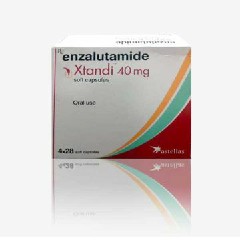
Recommended dose: 160mg (i.e. 4 40mg capsules) daily, taken orally once.
How to take: Can be taken with food or on an empty stomach. The capsule must be swallowed whole and cannot be chewed or broken.
Dose adjustment: If serious side effects occur (such as epilepsy, high blood pressure), the doctor may adjust the dose or suspend the medication.
3. Main adverse reactions and countermeasures
Common adverse reactions of enzalutamide include:
Fatigue (most common): Patients are advised to arrange their work and rest appropriately and maintain appropriate exercise.
Hypertension: Blood pressure should be monitored regularly and antihypertensive drugs should be used if necessary.
Fall and fracture risk: Bone density testing and calcium and vitamin D supplementation are recommended.
Central nervous system symptoms (such as epilepsy, dizziness): A small number of patients may experience epileptic seizures, especially those with a history of previous neurological diseases and should be used with caution
Abnormal liver function: It is recommended to check liver function regularly. If severe liver damage occurs, the dose needs to be adjusted or the drug discontinued.
4. Precautions and medication for special groups
Patients with epilepsy or neurological diseases: Because enzalutamide (enzalutamide) may lower the epilepsy threshold, it is recommended that doctors use it after careful evaluation.
Patients with cardiovascular disease: Patients with hypertension and coronary heart disease should monitor their cardiovascular health regularly.
Elderly people: may be more sensitive to drugs and should be monitored more closely.
Men of childbearing age: Enzalutamide (enzalutamide) may affect fertility, and effective contraceptive measures should be taken during use.
5. Drug interactions
CYP3A4, CYP2C8 metabolism: Enzalutamide (enzalutamide) is mainly metabolized by CYP enzymes, and coadministration with CYP3A4 or CYP2C8 inhibitors (such as ketoconazole, ritonavir) may affect drug concentration.
Combined use with anticoagulant drugs (such as warfarin): coagulation function needs to be monitored to prevent the risk of bleeding.
Avoid co-administration with strong inducers (such as carbamazepine, phenytoin), otherwise the efficacy of enzalutamide (enzalutamide) may be reduced.
6. Monitoring and follow-up during medication
Regular blood tests: Monitor prostate-specific antigen (PSA) levels, liver and kidney function, and blood pressure.
Bone health management: Patients taking long-term medication need to pay attention to the risk of osteoporosis and supplement calcium and vitamin D when necessary.
Psychiatric and neurological monitoring: Watch for abnormal mood, cognitive impairment, or epileptic symptoms.
7. Discontinuation of medication and alternatives
If severe intolerance or disease progression occurs, the doctor may recommend changing to other drugs, such as abiraterone (Abiraterone) or chemotherapy (docetaxel).
Follow-up is required after discontinuation of medication to assess disease status and follow-up treatment options.
Enzalutamide (enzalutamide) is an important drug for the treatment of castration-resistant and metastatic hormone-sensitive prostate cancer, which can effectively delay disease progression and improve survival. Proper administration, regular monitoring of adverse reactions, and attention to drug interactions can improve treatment effectiveness and reduce the risk of side effects. Patients should follow the doctor's advice while taking the medicine and have regular check-ups to ensure safe and effective use of the medicine.
Reference: https://www.xtandi.com/
[ 免责声明 ] 本页面内容来自公开渠道(如FDA官网、Drugs官网、原研药厂官网等),仅供持有医疗专业资质的人员用于医学药学研究参考,不构成任何治疗建议或药品推荐。所涉药品可能未在中国大陆获批上市,不适用于中国境内销售和使用。如需治疗,请咨询正规医疗机构。本站不提供药品销售或代购服务。


