
.jpeg)
What is selumetinib? Analysis of main ingredients, indications and treatment mechanisms
Selumetinib is an oral small molecule MEK1/2 inhibitor that belongs to the MAPK (mitogen-activated protein kinase) pathway inhibitor family. Its main component is selumetinib sulfate, which can specifically inhibit the activity of MEK1 and MEK2 proteins, thereby blocking the abnormal activation of the RAS-RAF-MEK-ERK signaling pathway. This pathway plays an important role in a variety of cancers and genetic diseases. Selumetinib inhibits downstream signal transduction by targeting MEK, inhibiting cell proliferation and inducing apoptosis.
In terms of indications, selumetinib has been approved by the FDA for the treatment of pediatric plexiform neurofibromas (PN) associated with neurofibromatosis type 1 (NF1). NF1 is a hereditary disease caused by mutations in the NF1 gene, which leads to the continuous activation of the RAS signaling pathway, causing nervous system tumors. Plexiform neurofibromas are benign tumors common in NF1 patients and may cause pain, deformity, and functional disability. Selumetinib is the first drug approved for NF1-associated plexiform neurofibromas, providing patients with a non-surgical treatment option.
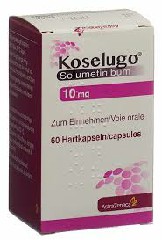
In terms of therapeutic mechanism, selumetinib inhibits the proliferation and survival of tumor cells by inhibiting MEK1/2 and blocking the RAS-RAF-MEK-ERK signal cascade amplification effect. Since NF1 mutations lead to sustained activation of RAS signaling, MEK inhibitors can effectively reduce the growth rate of plexiform neurofibromas. In the SPRINT trial (III clinical study), selumetinib significantly reduced the size of NF1-related plexiform neurofibromas and improved patients' pain, quality of life, and functional disability.
To sum up, selumetinib is an inhibitor targeting MEK1/2 and is mainly used to treat NF1Related plexiform neurofibromas, providing patients with an effective non-invasive treatment modality. Its precise mechanism of action makes it an important drug for controlling NF1 disease progression. In addition, selumetinib is also undergoing clinical research in other RAS pathway-related diseases (such as certain types of cancer) and may show therapeutic potential in more indications in the future.
Reference materials:https://www.koselugo.com
xa0
[ 免责声明 ] 本页面内容来自公开渠道(如FDA官网、Drugs官网、原研药厂官网等),仅供持有医疗专业资质的人员用于医学药学研究参考,不构成任何治疗建议或药品推荐。所涉药品可能未在中国大陆获批上市,不适用于中国境内销售和使用。如需治疗,请咨询正规医疗机构。本站不提供药品销售或代购服务。


