
.jpeg)
Detailed instructions for use of ceritinib/ceritinib
1. Drug name: Ceritinib/Ceritinib
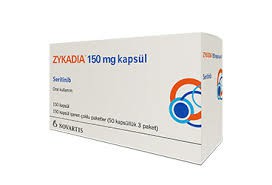
Product name:Zykadia
Drug category:ALK tyrosine kinase inhibitor (ALK-TKI)
2. Indications:
Ceritinib is used to treat patients with anaplastic lymphoma kinase (ALK)-positive metastatic non-small cell lung cancer (NSCLC), especially for patients who are resistant or intolerant to first-generation ALK inhibitors (such as crizotinib).
3. Pharmacological effects and mechanism of action
Ceritinib is a potent second-generationALK inhibitor that inhibits tumor growth and induces cancer cell apoptosis by targeting cancer cells with ALK gene mutations. Compared with crizotinib, ceritinib can block the ALK signaling pathway more effectively and is still effective against multiple crizotinib-resistant mutations (such as L1196M, G1269A, etc.). In addition, ceritinib has a stronger ability to penetrate the blood-brain barrier, so it has better efficacy in patients with ALK-positive lung cancer with brain metastasis.
4. Usage and dosage
The recommended dose is 450mg once dailytake with food. Previously, the recommended dose was 750mg/day (taken on an empty stomach), but due to the high number of gastrointestinal adverse reactions, the latest study found that 450mg/day taken with food can maintain the efficacy and reduce adverse reactions, so it has become the new standard dose.
For patients who experience dose-related adverse reactions, the dose can be reduced according to the doctor's advice: first dose adjustment: to 300mg/day; second dose adjustment: to 150mg/day; if 150mg/day is still intolerable, the drug needs to be permanently discontinued.
5. Adverse reactions
The most common adverse reactions include gastrointestinal symptoms such as nausea (60%), diarrhea (50%), vomiting (50%), decreased appetite (34%), etc. In addition, liver function abnormalities, elevated blood sugar, fatigue, pneumonia, QT interval prolongation, etc. may also occur.
If the patient develops the following conditions, he/she needs to seek medical attention immediately: severe diarrhea or vomiting leading to dehydration; severe abnormal liver function (ALT/AST is significantly elevated); persistent hyperglycemia (especially in patients with diabetes); chest pain, abnormal heart rate, shortness of breath, etc.Symptoms related to prolonged QT interval
6. Medication for Special Populations
1. Liver function impairment: Patients with moderate to severe liver impairment need to reduce the dose or use it with caution.
2. Renal impairment: Patients with mild to moderate renal impairment can take it at standard doses, while patients with severe renal impairment should use it with caution.
3. Elderly patients: Elderly patients may have poor tolerance and need to be closely monitored for adverse reactions.
4. Pregnancy and lactation: Ceritinib may be harmful to the fetus. Pregnant women should avoid using it and take effective contraceptive measures during treatment. Breastfeeding women should not take this drug to prevent the drug from affecting the baby through breast milk.
7. Clinical efficacy
Ceritinib has shown excellent efficacy in multiple clinical trials. ASCEND-4 study showed that ceritinib significantly extended the progression-free survival (PFS) of patients to 16.6 months in the first-line treatment of ALK-positive NSCLC, compared with only 8.1 months in the chemotherapy group. In addition, the response rate of ceritinib in patients with brain metastases reached 72%, which was better than crizotinib.
Ceritinib, as a second-generation ALK inhibitor, provides a more effective treatment option for ALK-positive NSCLC patients, especially showing good efficacy in the second-line treatment after crizotinib resistance.
Reference materials:https://www.novartis.com/our-products/pipeline/ceritinib
[ 免责声明 ] 本页面内容来自公开渠道(如FDA官网、Drugs官网、原研药厂官网等),仅供持有医疗专业资质的人员用于医学药学研究参考,不构成任何治疗建议或药品推荐。所涉药品可能未在中国大陆获批上市,不适用于中国境内销售和使用。如需治疗,请咨询正规医疗机构。本站不提供药品销售或代购服务。


