
.jpeg)
Imatinib/Gleevec Medication Guidelines
Imatinib/Gleevec is an important targeted drug that belongs to the tyrosine kinase inhibitor class. Since its approval in 2001, it has been widely used in the treatment of multiple types of tumors, especially Philadelphia chromosome-positive (Ph+) chronic myelogenous leukemia (CML) and gastrointestinal stromal tumors (GIST). Imatinib inhibits the proliferation of tumor cells by targeting specific tyrosine kinases and is therefore considered one of the standard therapeutic drugs for the treatment of these diseases. This article will provide a detailed analysis of the drug use guidelines of imatinib, including its indications, usage and dosage, therapeutic effects and side effects management.
First of all, the main indications of imatinib include Philadelphia chromosome-positive chronic myelogenous leukemia (Ph+ CML) and KIT-positive gastrointestinal stromal tumor (GIST). CML is a type of leukemia caused by chromosomal rearrangements and is characterized by the abnormal proliferation of large numbers of mature leukemia cells in the bone marrow. Among patients with CML, the vast majority have the Philadelphia chromosome, a chromosomal abnormality caused by a translocation between chromosomes 9 and 22. Imatinib exerts a therapeutic effect by inhibiting the tyrosine kinase activity of the BCR-ABL fusion protein and preventing the proliferation and growth of CML cells.
Gastrointestinal stromal tumor (GIST) is a tumor originating from the gastrointestinal tract and is usually associated with mutations in the KIT gene. KIT is an important tyrosine kinase receptor involved in the growth and differentiation of tumor cells. Imatinib can inhibit the activation of KIT receptors, thereby controlling tumor growth. For these patients, imatinib not only relieves symptoms but also significantly prolongs progression-free survival (PFS) and overall survival (OS).
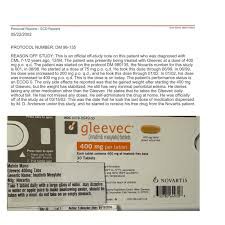
In terms of administration and dosage, the usual dose of imatinib depends on the specific indication. For patients with chronic myelogenous leukemia (CML), the recommended starting dose is 400 mg once daily, usually with food. Food intake helps reduce the irritation of the drug to the gastrointestinal tract and improves the bioavailability of the drug. For patients with gastrointestinal stromal tumors (GIST), the starting dose is also 400 mg once daily. The dose may be adjusted based on the patient's specific condition, especially drug tolerance and the occurrence of side effects. In some cases, the dose may be increased to 600 mg once daily based on patient response to treatment in the hope of achieving better efficacy.
The therapeutic effect of imatinib has been verified in multiple clinical studies. ForIn Ph+ CML patients, imatinib can effectively inhibit the activity of BCR-ABL fusion protein and inhibit the proliferation of leukemia cells. Clinical data show that imatinib can significantly improve the survival prognosis of CML patients, and most patients can achieve complete molecular remission (CMR), that is, almost no leukemia cells can be detected in the blood. In addition, imatinib can also significantly improve the survival of GIST patients, especially for those patients with KIT gene mutations. The efficacy of imatinib is particularly significant.
However, although imatinib performs well in the treatmentCML and GIST, it also has certain side effects. Common side effects include edema, muscle or joint pain, nausea, vomiting, diarrhea, etc. These side effects are usually mild and gradually resolve as treatment continues. However, some patients may experience more serious side effects, such as liver damage, heart problems (such as heart failure), or hematological abnormalities (such as anemia, leukopenia). Therefore, patients need to undergo regular examinations during treatment to detect and manage side effects in a timely manner.
Reference materials:https://www.gleevec.com/
[ 免责声明 ] 本页面内容来自公开渠道(如FDA官网、Drugs官网、原研药厂官网等),仅供持有医疗专业资质的人员用于医学药学研究参考,不构成任何治疗建议或药品推荐。所涉药品可能未在中国大陆获批上市,不适用于中国境内销售和使用。如需治疗,请咨询正规医疗机构。本站不提供药品销售或代购服务。


