
.jpeg)
How long does it take to see the effects of ruxolitinib tablets? What should patients pay attention to when taking it?
Ruxolitinib (JAKAVI, generic name: Ruxolitinib) is a JAK1/2 inhibitor mainly used to treat a variety of hematological diseases, including moderate to severe primary myelofibrosis (MF), secondary myelofibrosis, and acute GVHD (graft versus host disease). As a targeted drug, ruxolitinib can reduce the symptoms of myelofibrosis and improve patients' quality of life by inhibiting the JAK-STAT signaling pathway. The therapeutic effects of ruxolitinib vary from patient to patient, and it usually takes some time to see significant effects.
1. When will ruxolitinib take effect?
The effects of ruxolitinib usually take weeks to months to appear. For patients with myelofibrosis, there may be no significant symptom changes at the beginning of treatment, but after 6 to 8 weeks of treatment, patients may experience relief of symptoms, such as anemia, fatigue, hepatosplenomegaly and other symptoms. For patients with acute GVHD, the effects of treatment may appear faster. Relief of symptoms, especially improvement of symptoms such as rash and diarrhea, can usually be observed within 1 to 2 weeks.
When taking ruxolitinib, patients should pay special attention to the following aspects:
Dose adjustment: The dose of ruxolitinib should be individually adjusted based on the patient's condition, weight and other factors. Patients should take the medicine according to the doctor's instructions and should not increase or decrease the dose at will. The dose of ruxolitinib may need to be reduced in patients with hepatic dysfunction.
Side effect management: Common side effects of ruxolitinib include infection (especially upper respiratory tract infection), headache, anemia, diarrhea, abnormal liver function, etc. Patients should regularly monitor blood routine and liver and kidney functions to detect adverse reactions in a timely manner. If serious side effects occur (such as fever, cough, sudden weight loss, etc.), patients should contact their doctor immediately.
Avoid interactions with other drugs: Ruxolitinib may interact with some drugs, especially when used with strong CYP3A inhibitors or inducers. Before starting any new medicine, patients should tell their doctor about other medicines they are taking, including prescription drugs, over-the-counter drugs, and herbal medicines.
Regular follow-up visits: During the treatment process, patients should return for regular follow-up visits, and the doctor will evaluate the efficacy and safety of the drug based on the examination results. If a patient does not achieve the desired results or experiences unacceptable side effects, the doctor may adjust the treatment plan.
3. Things to note about diet and living habits
When taking ruxolitinib, the patient's diet and lifestyle habits will also affect the treatment effect. First of all, patients should try to maintain a healthy and balanced diet and avoid excessive intake of high-fat and high-sugar foods to reduce the burden of drugs on the liver. Avoid excessive alcohol consumption, as alcohol may worsen the liver side effects of ruxolitinib.
Patients should maintain adequate rest and avoid excessive fatigue while taking the medication, especially those with reduced physical strength due to anemia or other symptoms. In addition, patients should try to avoid contact with sources of infection, especially those undergoing treatment, as the immune system may be somewhat suppressed.
4. Effects of long-term treatment
Ruxolitinib is a long-term treatment drug that requires patience in the treatment of chronic diseases such as myelofibrosis. While medications are effective in controlling symptoms and improving quality of life, long-term use may cause some side effects, especially problems with the immune system. Therefore, patients need to work closely with their doctors to regularly monitor their health status and ensure timely adjustment of drug dosage or regimen during treatment.
Overall, although the efficacy of ruxolitinib is significant, the response of different patients may vary. Patients should strictly follow the doctor's instructions during treatment, undergo regular examinations, and deal with any possible side effects in a timely manner. Through scientific management and monitoring, ruxolitinib can help patients effectively relieve symptoms and improve quality of life.
Reference: https://www.jakavi.com/
1. When will ruxolitinib take effect?
The effects of ruxolitinib usually take weeks to months to appear. For patients with myelofibrosis, there may be no significant symptom changes at the beginning of treatment, but after 6 to 8 weeks of treatment, patients may experience relief of symptoms, such as anemia, fatigue, hepatosplenomegaly and other symptoms. For patients with acute GVHD, the effects of treatment may appear faster. Relief of symptoms, especially improvement of symptoms such as rash and diarrhea, can usually be observed within 1 to 2 weeks.
However, every patient responds differently, and some may take longer to see noticeable results. During the treatment process, the doctor will adjust the dose in a timely manner according to the patient's response, and regularly monitor relevant indicators (such as blood routine, liver and kidney function, etc.) to ensure the effectiveness and safety of the treatment.
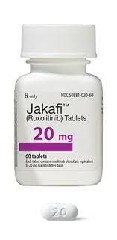
When taking ruxolitinib, patients should pay special attention to the following aspects:
Dose adjustment: The dose of ruxolitinib should be individually adjusted based on the patient's condition, weight and other factors. Patients should take the medicine according to the doctor's instructions and should not increase or decrease the dose at will. The dose of ruxolitinib may need to be reduced in patients with hepatic dysfunction.
Side effect management: Common side effects of ruxolitinib include infection (especially upper respiratory tract infection), headache, anemia, diarrhea, abnormal liver function, etc. Patients should regularly monitor blood routine and liver and kidney functions to detect adverse reactions in a timely manner. If serious side effects occur (such as fever, cough, sudden weight loss, etc.), patients should contact their doctor immediately.
Avoid interactions with other drugs: Ruxolitinib may interact with some drugs, especially when used with strong CYP3A inhibitors or inducers. Before starting any new medicine, patients should tell their doctor about other medicines they are taking, including prescription drugs, over-the-counter drugs, and herbal medicines.
Regular follow-up visits: During the treatment process, patients should return for regular follow-up visits, and the doctor will evaluate the efficacy and safety of the drug based on the examination results. If a patient does not achieve the desired results or experiences unacceptable side effects, the doctor may adjust the treatment plan.
3. Things to note about diet and living habits
When taking ruxolitinib, the patient's diet and lifestyle habits will also affect the treatment effect. First of all, patients should try to maintain a healthy and balanced diet and avoid excessive intake of high-fat and high-sugar foods to reduce the burden of drugs on the liver. Avoid excessive alcohol consumption, as alcohol may worsen the liver side effects of ruxolitinib.
Patients should maintain adequate rest and avoid excessive fatigue while taking the medication, especially those with reduced physical strength due to anemia or other symptoms. In addition, patients should try to avoid contact with sources of infection, especially those undergoing treatment, as the immune system may be somewhat suppressed.
4. Effects of long-term treatment
Ruxolitinib is a long-term treatment drug that requires patience in the treatment of chronic diseases such as myelofibrosis. While medications are effective in controlling symptoms and improving quality of life, long-term use may cause some side effects, especially problems with the immune system. Therefore, patients need to work closely with their doctors to regularly monitor their health status and ensure timely adjustment of drug dosage or regimen during treatment.
Overall, although the efficacy of ruxolitinib is significant, the response of different patients may vary. Patients should strictly follow the doctor's instructions during treatment, undergo regular examinations, and deal with any possible side effects in a timely manner. Through scientific management and monitoring, ruxolitinib can help patients effectively relieve symptoms and improve quality of life.
Reference: https://www.jakavi.com/
[ 免责声明 ] 本页面内容来自公开渠道(如FDA官网、Drugs官网、原研药厂官网等),仅供持有医疗专业资质的人员用于医学药学研究参考,不构成任何治疗建议或药品推荐。所涉药品可能未在中国大陆获批上市,不适用于中国境内销售和使用。如需治疗,请咨询正规医疗机构。本站不提供药品销售或代购服务。


