
.jpeg)
Once resistant to evantuzumab, will there be lifelong resistance? What is the treatment method after drug resistance?
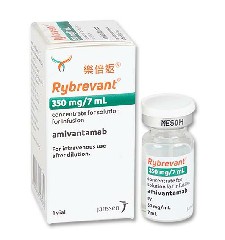
Amivantamab (Amivantamab) is a new type of targeted drug mainly used to treat specific types of non-small cell lung cancer (NSCLC). It exerts anti-tumor effects by inhibiting the activity of epidermal growth factor receptor (EGFR) and anaplastic lymphoma kinase (ALK) pathways. However, although evantumumab has achieved good therapeutic results in some patients, like many other targeted drugs, it may also encounter resistance problems. Drug resistance is a common challenge in cancer treatment, but drug resistance does not mean a complete failure of treatment, and patients still have other treatment options.
Resistance mechanisms and lifelong resistance
Resistance to evantumumab usually occurs after a period of treatment, especially during long-term use, when tumor cells gradually mutate. These mutations may cause tumor cells to gradually become less responsive to the drug, or lose sensitivity to evantumumab altogether. The drug resistance mechanism is usually related to factors such as genetic mutations of cancer cells, reactivation of signaling pathways, and changes in drug targets.
As to whether evantumumab will cause "lifelong resistance", there is currently no clear evidence that once resistance occurs, life-long resistance will occur. In fact, cancer drug resistance is dynamic and may be affected by multiple factors, including the patient's treatment history, the type of tumor and its genetic characteristics, the patient's immune system status, etc. Therefore, although drug resistance may affect treatment efficacy within a certain period of time, it does not mean that cancer treatment has completely failed. There are still new treatment strategies and options to deal with drug resistance.
Treatment methods after drug resistance
1.Adjust treatment plan
When patients develop resistance to evantumumab, a change in treatment regimen is often considered. This can include the use of other targeted drugs or chemotherapy drugs. New targeted drugs may target different genetic mutations or new targets in tumor cells. For example, if a patient develops resistance to evantuzumab and a new EGFR or ALK mutation is detected, the doctor may consider using another EGFR pan> or ALK inhibitors, such as osimertinib (Osimertinib) or crizotinib (Crizotinib). These drugs may still be effective against drug-resistant tumor cells.
2.Combined treatment
Combination therapy is a common strategy for targeting drug-resistant tumors. By combining evantumumab with other drugs, the efficacy of the drug can be enhanced and tumor resistance can be overcome. For example, evantumumab can be combined with immune checkpoint inhibitors to harness the power of the immune system to enhance anti-tumor effects. This strategy may help to reactivate anti-tumor immune responses in patients and thereby overcome drug resistance.
3.Immunotherapy
If evantumumab is resistant, immunotherapy may be an effective treatment option. Immunotherapy such as PD-1/PD-L1 inhibitors (such as nivolumab, pembrolizumab) can help the body recognize and attack tumor cells by strengthening the patient's immune system. Although immunotherapy is not effective for all patients, for some specific types of tumors, immune checkpoint inhibitors may provide new treatment opportunities.
4.Personalized treatment
For drug-resistant patients, individualized treatment is increasingly becoming key. Individualized treatment is based on genomic analysis of the patient's tumor to select the most suitable treatment plan for the patient. With the development of genomics technology, tumor genetic mutations and treatment responses can be accurately analyzed. In this way, doctors can better understand the mechanisms of resistance and develop treatment options based on new molecular signatures. Genetic testing can help identify the presence of new targets or drug-resistant mutations, allowing the selection of appropriate drugs or treatment strategies.
Resistance to evantumumab does not mean the end of the road for patients. Although drug resistance is an inevitable challenge in the treatment process, it is still possible for patients to obtain effective treatment through methods such as adjusting treatment regimens, combining drugs, immunotherapy, and personalized treatment. With further research and the emergence of new treatments, the prognosis of drug-resistant patients may further improve. Therefore, drug resistance does not mean the end of treatment. Patients should work closely with their doctors to explore new treatment options and strive to obtain the best treatment results.
Reference materials:https://www.rybrevant.com/
[ 免责声明 ] 本页面内容来自公开渠道(如FDA官网、Drugs官网、原研药厂官网等),仅供持有医疗专业资质的人员用于医学药学研究参考,不构成任何治疗建议或药品推荐。所涉药品可能未在中国大陆获批上市,不适用于中国境内销售和使用。如需治疗,请咨询正规医疗机构。本站不提供药品销售或代购服务。


