
.jpeg)
Are there alternatives to clofazimine? What are the efficacy and side effects of these alternative medicines?
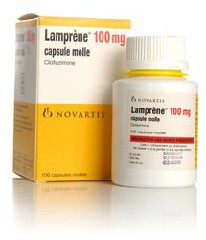
Clofazimine (Clofazimine) is a drug commonly used to treat leprosy and multidrug-resistant tuberculosis (MDR-TB). It mainly works by inhibiting branching molecules in the DNA synthesis and cell wall synthesis of tuberculosis branches. However, in some cases clofazimine may need to be replaced due to side effects or resistance issues. Fortunately, there are alternatives to clofazimine that vary in effectiveness and side effects.
alternative medicine
1.Rifampicin (Rifampicin)
Rifampicin is an antibiotic commonly used to treat tuberculosis. Compared with clofazimine, rifampicin has a wider range of efficacy, especially in multidrug-resistant tuberculosis. It interferes with bacterial protein synthesis by inhibiting bacterial RNA polymerase. However, the side effects of rifampin should not be ignored, including liver toxicity, rash, and gastrointestinal discomfort. During the treatment process, patients need to undergo regular liver function monitoring to avoid liver damage.
2.Ethambutol (Ethambutol)
Iboride is a drug used to treat tuberculosis, especially multidrug-resistant tuberculosis. It works by inhibiting bacterial cell wall synthesis. Iboride has less severe side effects than clofazimine, but it may also cause optic neuropathy, resulting in blurred vision or color recognition impairment. Therefore, it is necessary to regularly check the fundus and vision when using Iporic to prevent drug-induced optic nerve damage.
3.Amikacin (Amikacin)
Amikacin is an aminoglycoside antibiotic mainly used to treat drug-resistant tuberculosis. It works by interfering with bacterial protein synthesis. Amikacin is often used as one of the important drugs in the treatment of multidrug-resistant tuberculosis. Although amikacin is more effective, it also has certain side effects, especially toxic effects on the kidneys and hearing. Patients need to regularly check their kidney function and hearing when using amikacin to avoid the occurrence of adverse reactions.
4.Moxifloxacin (Moxifloxacin)
Moxifloxacin is a fluoroquinolone antibiotic commonly used to treat diseases such as drug-resistant tuberculosis and leprosy. Moxifloxacin inhibits bacterialDNAreplication and repair to exert antibacterial effects. Moxifloxacin has milder side effects than clofazimine, but long-term use may lead to prolongation of the QT interval, gastrointestinal discomfort, and liver function problems. People with heart disease need to be careful when using moxifloxacin to avoid the drug's effects on the heart.
Comparison of efficacy and side effects of alternative medicines
Alternative drugs to clofazimine each have their own merits in efficacy, and patients should choose the appropriate drug according to the specific situation when using it. For example, rifampicin and amikacin have strong efficacy in the treatment of tuberculosis, especially multidrug-resistant tuberculosis, but both drugs have certain liver toxicity. Eboric and moxifloxacin have relatively minor effects on the liver, but their side effects may focus on vision and the heart.
Although clofazimine has a unique role in the treatment of leprosy and tuberculosis, it may require substitution in some patients due to side effects or drug resistance issues. Alternative drugs such as rifampicin, ipolix, amikacin and moxifloxacin have significant efficacy in the treatment of tuberculosis, but they are also accompanied by certain side effects. Patients need to choose appropriate drugs according to their own conditions during the treatment process and monitor them regularly. In short, patients and doctors need to work closely together to comprehensively consider the efficacy and side effects of drugs to formulate the best treatment plan.
Reference materials:https://www.novartis.com/our-products/pipeline/clofazimine
[ 免责声明 ] 本页面内容来自公开渠道(如FDA官网、Drugs官网、原研药厂官网等),仅供持有医疗专业资质的人员用于医学药学研究参考,不构成任何治疗建议或药品推荐。所涉药品可能未在中国大陆获批上市,不适用于中国境内销售和使用。如需治疗,请咨询正规医疗机构。本站不提供药品销售或代购服务。


