
.jpeg)
What should I pay attention to when using Ivonib? What medications should be avoided before and after taking them?
1. Basic precautions when taking ivonib
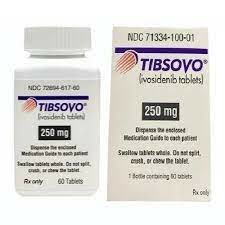
Ivosidenib is an IDH1 mutation inhibitor, mainly used to treat acute myeloid leukemia (AML) and cholangiocarcinoma carrying IDH1 mutations. When using ivonib, patients need to strictly follow the doctor's prescription to ensure safe and effective treatment. This medicine is usually taken orally once a day. It is recommended to take it at the same time every day. You can choose to take it on an empty stomach or after eating, but you should keep it consistent. Patients need to undergo regular blood tests while taking the medication to monitor treatment response and potential side effects, such as white blood cell levels, electrolyte changes, and liver function indicators. In addition, if a patient develops serious side effects, such as differentiation syndrome (Differentiation Syndrome), dose adjustment or treatment may be needed.
2. Potential risks that need to be noted when taking ivonib
Avosidenib may cause serious side effects, including differentiation syndrome, QT interval prolongation, liver function impairment, and bone marrow suppression. Among them, differentiation syndrome is a potentially life-threatening complication that usually occurs in the first 1-2 months of treatment and manifests as fever, dyspnea, hypotension, edema, etc. Patients need to closely monitor their symptoms and seek medical attention immediately if abnormalities occur. QT Prolonged interval may cause arrhythmia, so patients should monitor their electrocardiogram before and after taking the drug, especially those with a history of heart disease. In addition, ivonib may affect liver function, leading to an increase in ALT, AST or bilirubin. Therefore, patients with liver disease should use it with caution under the guidance of a doctor.
3. Drugs that should be avoided while taking ivonib
Ivonib interacts with a variety of drugs. Patients should avoid the following types of drugs while taking this drug to reduce side effects and reduce the risk of affecting drug efficacy:
CYP3A4Strong inhibitors or inducers: Ivonib is mainly metabolized by CYP3A4. If CYP3A4 inhibitors (such as clarithromycin, itraconazole, voriconazole) are used concomitantly, the plasma concentration of ivonib may be increased, thereby aggravating side effects. AndCYP3A4Inducers (e.g., rifampicin, phenytoin, St. John's wort) may reduce the efficacy of ivonib and therefore coadministration should be avoided.
QTInterval prolonging drugs: including certain antipsychotics (such as ziprasidone, haloperidol), antibiotics (such as moxifloxacin), anti-malignant tumor drugs (such as doxorubicin), etc. These drugs may increase the risk of QT interval prolongation and increase the possibility of arrhythmia.
Proton pump inhibitors (PPI): such as omeprazole, esomeprazole, etc., may reduce the absorption of ivonib and affect its efficacy. If patients need to relieve gastric discomfort, they can switch to H2 receptor antagonists (such as ranitidine) or antacids, and stagger the medication time with ivonib.
4. Lifestyle and dietary suggestions during medication
During the process of taking ivonib, the patient's daily diet and living habits may affect the efficacy and safety of the drug. It is recommended to follow the following principles:
Avoid eating grapefruit and its products: grapefruit and its juice may inhibit the CYP3A4 metabolizing enzyme, leading to an increase in the blood concentration of ivonib and increasing the risk of side effects.
Reduce alcohol intake: Ivonib may affect liver function. Long-term drinking may increase the burden on the liver and increase the risk of liver damage. Therefore, patients are advised to reduce or avoid alcohol intake.
Maintain sufficient fluids and a healthy diet: Diarrhea, nausea and other uncomfortable symptoms may occur during medication. Patients should maintain adequate fluid intake, arrange their diet reasonably, and avoid high-fat and high-sugar foods to reduce the burden on the digestive system.
In general, ivonib plays an important role in the treatment of IDH1 mutation-related diseases, but during the process of taking it, patients need to strictly follow the doctor's instructions, avoid using it at the same time with certain drugs, and pay attention to possible side effects. If any abnormal symptoms occur, you should seek medical treatment promptly to ensure the safety and effectiveness of treatment.
Reference link:https://www.tibsovo.com/
[ 免责声明 ] 本页面内容来自公开渠道(如FDA官网、Drugs官网、原研药厂官网等),仅供持有医疗专业资质的人员用于医学药学研究参考,不构成任何治疗建议或药品推荐。所涉药品可能未在中国大陆获批上市,不适用于中国境内销售和使用。如需治疗,请咨询正规医疗机构。本站不提供药品销售或代购服务。


