
.jpeg)
Different mechanisms of action of ixazomib/enleri and pomalidomide in treatment
Ixazomib and pomalidomide (Pomalidomide) are two drugs used to treat multiple myeloma (Multiple Myeloma, MM) drugs, their mechanisms of action in the treatment are different, but they are all targeted therapy drugs and used as part of combination therapy in clinical practice, especially in patients who have received at least one therapy in the past. Although their mechanisms of action are different, they all demonstrate an important role in improving patient survival rates and delaying disease progression.
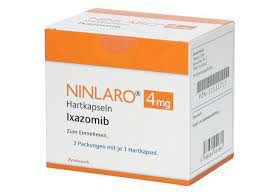
Ixazomib is an oral proteasome inhibitor, and its mechanism of action mainly works by inhibiting the function of the proteasome. The proteasome is an important structure within cells, responsible for breaking down proteins that are no longer needed or are damaged. Through this mechanism, ixazomib can prevent the removal of abnormal proteins in cancer cells, which in turn leads to the accumulation of toxic proteins in the cells and prompts the cells to enter the apoptosis process. In the treatment of multiple myeloma, cancer cells are particularly dependent on the function of the proteasome to maintain their growth and survival. Therefore, by inhibiting the function of the proteasome, ixazomib can effectively inhibit the growth of myeloma cells, reduce the proliferation of tumor cells, and promote cancer cell death.
Unlike ixazomib, pomalidomide is an immunomodulator that works primarily by modulating the immune system, inhibiting angiogenesis, and directly inhibiting the growth of cancer cells. The mechanism of action of pomalidomide involves multiple levels. First, pomalidomide can activate T cells and natural killer cells (NK cells) in patients, enhancing the ability of these immune cells to recognize and kill tumor cells. Secondly, pomalidomide inhibits the secretion of certain cytokines by tumor cells and reduces factors in the tumor microenvironment that promote tumor cell growth, thereby limiting tumor expansion. In addition, pomalidomide can further inhibit the growth of myeloma by limiting nutrient supply to tumors by reducing angiogenesis.
There are significant differences in the mechanisms of action of these two drugs in treatment. Ixazomib has strong direct cytotoxicity by directly inhibiting the growth of cancer cells, especially inducing the death of cancer cells through inhibition of the proteasome. Pomalidomide indirectly inhibits the growth of tumor cells by activating the body's immune system through an immunomodulatory mechanism. It also limits the nutrient supply of tumors through other ways. Although the mechanisms of action of the two are different, they can be used in combination to achieve the purpose of synergizing with each other and enhancing the anti-cancer effect. Clinically, ixazomib and pomalidomide are often used in combination with other drugs, such as dexamethasone, to improve the therapeutic effect.
Combination therapy with ixazomib and pomalidomide has been widely used in multiple myeloma, especially in patients who have received other treatments. Studies have shown that when used in combination with pomalidomide, ixazomib can synergistically inhibit the growth of myeloma cells through multiple pathways and improve the patient's treatment response rate. Ixazomib inhibits the activity of the proteasome, preventing tumor cells from properly clearing damaged proteins, thereby inducing cell apoptosis; while pomalidomide inhibits the spread and growth of tumors through various mechanisms such as enhancing immune response and anti-angiogenesis. When these two drugs are used in combination, they can work together at the cellular and immune levels to produce a more significant therapeutic effect.
Reference materials:https://www.ninlaro.com/
[ 免责声明 ] 本页面内容来自公开渠道(如FDA官网、Drugs官网、原研药厂官网等),仅供持有医疗专业资质的人员用于医学药学研究参考,不构成任何治疗建议或药品推荐。所涉药品可能未在中国大陆获批上市,不适用于中国境内销售和使用。如需治疗,请咨询正规医疗机构。本站不提供药品销售或代购服务。


