
.jpeg)
Key points and interpretations of the official instructions for Pirfenidone/Isri
Pirfenidone is an oral medication used to treat idiopathic pulmonary fibrosis (IPF). Idiopathic pulmonary fibrosis is a progressive lung disease characterized by fibrosis of lung tissue, ultimately leading to a decrease in lung function. The mechanism of action of pirfenidone is mainly by inhibiting the molecular and cellular pathways related to fibrosis, thereby slowing the progression of the disease. This article will explain in detail the official instructions for pirfenidone, covering key points such as indications, usage and dosage, and precautions, to help medical staff and patients gain a deeper understanding of the drug.
First of all, the indications of pirfenidone are very clear. It is mainly used to treat idiopathic pulmonary fibrosis (IPF). IPF is an incurable lung disease in which the patient's lung tissue is gradually replaced by fibrous tissue, resulting in impaired oxygen exchange. Although the cause of idiopathic pulmonary fibrosis is not fully understood, its symptoms often include shortness of breath, dry cough, and fatigue. The disease usually progresses rapidly, and patient survival is often significantly shortened by loss of lung function. The role of pirfenidone is to delay the deterioration of lung function by intervening in the fibrosis process, thereby prolonging the patient's survival and improving the quality of life.
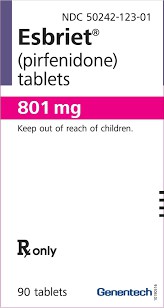
Regarding the usage and dosage of the drug, the instructions for pirfenidone specify the dosage adjustment plan in detail. For initial treatment, patients are advised to start with 600 mg/day and gradually increase to the recommended maintenance dose of 2,400 mg/day. Specifically, for the first 14 days of treatment, patients should take 200 mg of pirfenidone three times a day, for a total of 600 mg/day, with meals. After entering days 15 to 28, the dose can be increased to 400 mg three times a day for a total of 1,200 mg/day. From the next 29th to 42nd day, you can continue to increase the dose to 600mg each time, 3 times a day, for a total of 1,800mg/day. Finally, after day 43, patients should take 800 mg three times a day for a total of 2,400 mg/day. This plan is to help patients gradually adapt to the drug and reduce the occurrence of adverse reactions. A maintenance dose of 2,400 mg/day is the recommended dose for most patients, but the dose may be adjusted based on patient tolerance and clinical response.
Pirfenidone must be taken with meals. This is because the drug, when taken with food, can help reduce gastrointestinal discomfort caused by the drug. Gastrointestinal discomfort (such as nausea, vomiting, diarrhea, etc.) is one of the most common side effects of pirfenidone, especially in the early stages of treatment. For this reason, patients are advised to take medications while eating to reduce the occurrence of these adverse reactions. In addition, gradually increasing the drug dose can also help improve patient tolerance and avoid excessive gastrointestinal discomfort in the early stages of treatment.
Common adverse reactions of pirfenidone include gastrointestinal discomfort, rash, abnormal liver function, etc. Gastrointestinal reactions, such as nausea, vomiting, loss of appetite, etc., are more common at the beginning of treatment and are usually relieved by reducing the dose or adjusting the medication method. Skin rash is also one of the adverse reactions that may occur during treatment. Most of them are mild skin reactions, but if the symptoms are severe, the patient needs to stop taking the drug and consult a doctor. Pirfenidone may also cause abnormal liver function, and patients need regular liver function monitoring during treatment. If liver function is abnormal, especially if ALT and AST levels are significantly increased, medication may need to be suspended or dosage adjusted.
Reference materials:https://www.esbriet.com/
[ 免责声明 ] 本页面内容来自公开渠道(如FDA官网、Drugs官网、原研药厂官网等),仅供持有医疗专业资质的人员用于医学药学研究参考,不构成任何治疗建议或药品推荐。所涉药品可能未在中国大陆获批上市,不适用于中国境内销售和使用。如需治疗,请咨询正规医疗机构。本站不提供药品销售或代购服务。


