
.jpeg)
How long can I live after taking pirfenidone/Axri? Factors affecting prognosis and treatment effects
Survival after taking pirfenidone varies depending on the patient's specific condition, especially those with idiopathic pulmonary fibrosis (IPF). In clinical practice, pirfenidone is used to slow disease progression, increase survival, and improve patients' quality of life. However, factors affecting prognosis are multifaceted, so treatment effects and patient survival vary from person to person.
Idiopathic pulmonary fibrosis is a progressive lung disease that often results in a progressive loss of lung function. Patient survival is generally short, with many people living from diagnosis to death on the order of three to five years. However, early diagnosis and prompt treatment can significantly improve prognosis. Pirfenidone, as an anti-fibrotic drug, can slow down the progression of IPF and improve the survival rate of patients. Studies have shown that patients who received pirfenidone lived significantly longer than those who did not receive treatment. For example, two key clinical studies, INPULSIS-1 and INPULSIS-2, showed that pirfenidone can effectively slow down the decline of lung function, extend survival, and alleviate patients' shortness of breath.
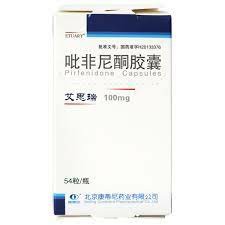
In addition to the effect of the drug itself, patient prognosis is also affected by many other factors. First, early diagnosis of the disease is one of the key factors for prognosis. Early detectionIPF and timely initiation of treatment can effectively delay the progression of the disease and increase the effectiveness of treatment. Secondly, the patient's age and overall health are also important prognostic factors. Patients who are younger and in better shape often respond better to treatment and live longer. Elderly patients or patients with comorbidities may face more treatment challenges and have a relatively shorter survival period.
In addition, the patient's lifestyle and disease management are also important factors affecting prognosis. For example, smoking is considered an important risk factor for IPF, and smokers often experience faster disease progression. Measures such as quitting smoking, avoiding air pollution, and performing pulmonary rehabilitation training can significantly improve patients' quality of life and lung function. Proper nutritional support and regular medical monitoring are also keys to extending survival and improving prognosis.
Reference materials:https://www.esbriet.com/
[ 免责声明 ] 本页面内容来自公开渠道(如FDA官网、Drugs官网、原研药厂官网等),仅供持有医疗专业资质的人员用于医学药学研究参考,不构成任何治疗建议或药品推荐。所涉药品可能未在中国大陆获批上市,不适用于中国境内销售和使用。如需治疗,请咨询正规医疗机构。本站不提供药品销售或代购服务。


