
.jpeg)
Lynparib/olaparib increases PFS in pMMR endometrial cancer subgroup after durvalumab/chemotherapy
Results from an exploratory analysis ofthe phase 3 DUO-E trial (NCT04269200) show that mismatch repair proficiency (pMMR) differs in biomarkers in patients with endometrial cancer. In both the biological and histological subgroups, durvalumab combined with chemotherapy followed by maintenance of olaparib improved progression-free survival (PFS).
In the pMMR subpopulation of the DUO-E trial, durvalumab plus chemotherapy generally improved PFS regardless of PD-L1 expression, POLE mutation and TP53 mutation status, homologous recombination repair (HRR) mutation status, BRCA mutation status, histology at diagnosis, and baseline circulating tumor DNA (ctDNA). For example, the durvalumab combination reduced the risk of progression or death in patients with HRR-mutated disease (HR, 0.45; 95% CI, 0.23-0.87) and in patients with detectable ctDNA at baseline (HR, 0.61; 95% CI, 0.41-0.88). Additionally, adding maintenance olaparib to durvalumab/chemotherapy produced a greater PFS benefit in these subgroups.
In this population, the benefit of adding olaparib to durvalumab was not driven by benefit in a specific subpopulation. It appears to be distributed among biomarkers. Of note, positive detection of ctDNA (HR, 0.36; 95% CI, 0.23-0.56), PD-L1 expression (HR, 0.44; 95% CI, 0.31-0.61) and serous disease at baseline Histology (HR, 0.49; 95% CI: 0.27-0.76), olapar plus imrvalumab/chemotherapy resulted in the greatest reduction in risk of progression or death compared with chemotherapy alone. The analysis does strengthen the potential for olapar to be safely added to imrvalumab and to have efficacy in the [pMMR endometrial cancer] biomarker panel.
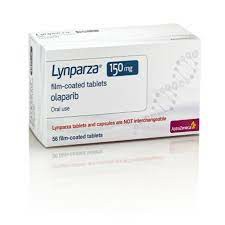
In the double-blind Phase 3 DUO-E trial, 718 patients with newly diagnosed stage III or IV recurrent cancer were randomized 1:1:1 to receive chemotherapy alone followed by placebo maintenance, chemotherapy plus durvalumab followed by durvalumab maintenance, or chemotherapy plus durvalumab followed by durvalumab plus olapar maintenance.
The primary endpoint of the trial was the comparison of the chemotherapy/imrifumab arm with chemotherapy plus olaparib using RECIST criteria in the intention-to-treat (ITT) population.The addition of durvalumab/chemotherapy group and the chemotherapy treatment group were used to evaluate the PFS of each investigator. Secondary endpoints include overall survival and safety. Prespecified exploratory analyzes determined PFS by MMR status in patient subpopulations.
Findings from the ITT population showed that median progression-free survival was 9.6 months (95% CI, 9.0-9.9) for chemotherapy alone and 10.2 months for durvalumab/chemotherapy. The analysis showed that both arms met the trial's primary endpoint, as imrvalumab (HR, 0.71; 95% CI, 0.57-0.89; P=0.003) and imrvalumab compared with chemotherapy alone. The PFS of the monoclonal antibody/olapar group (HR: 0.55; 95%CI: 0.43-0.69; P<0.0001) was improved.
Notably, durvalumab/chemotherapy had the greatest PFS benefit in the dMMR subgroup compared with chemotherapy alone (HR, 0.42; 95% CI, 0.22-0.80). In addition, olapar combined with durvalumab/chemotherapy further improved the PFS benefit in patients with pMMR disease (HR, 0.57; 95% CI, 0.44-0.73). The pMMR biomarker subgroup analysis included 575 evaluable patients with known biomarker status. Additionally, 100% had known histology at diagnosis, 98% had known PD-L1 status, 86% had known POLE mutation and TP53 mutation status, 86% had known HRR mutation status, and 86% had evaluable BRCA mutation status. Overall, 85% (n=486) of the pMMR subpopulation had known status for all biomarkers of interest
Subgroups of patients with pMMR disease and known biomarkers show a high degree of heterogeneity, and as Moore noted, the biomarkers often overlap. In addition, 84% of patients were positive for 1 or more biomarkers, with PD-L1-positive disease (67%) and TP53 mutations (59%) being the most common. A total of 291 patients in this pMMR group could not have evaluable ctDNA status. Of 284 evaluable patients, ctDNA was detectable in 79%; detection rates were higher than 65% for all relevant biomarker subgroups.
Supplementary data showed that the incidence of any adverse effect (AE) was 100%, 98%, and 99% in patients with pMMR disease in the chemotherapy, chemotherapy plus durvalumab, and chemotherapy plus durvalumab/olaparib groups, respectively. Additionally, 51%, 53%, and 66% of patients experienced dose interruptions or study treatment delays due to adverse events. Overall, the safety profile of study treatments in the pMMR subpopulation was generally comparable to previous reports in the ITT population.
Reference materials:https://www.onclive.com/view/olaparib-after-durvalumab-chemo-boosts-pfs-in-subgroups-of-pmmr-endometrial-cancer
[ 免责声明 ] 本页面内容来自公开渠道(如FDA官网、Drugs官网、原研药厂官网等),仅供持有医疗专业资质的人员用于医学药学研究参考,不构成任何治疗建议或药品推荐。所涉药品可能未在中国大陆获批上市,不适用于中国境内销售和使用。如需治疗,请咨询正规医疗机构。本站不提供药品销售或代购服务。


