
.jpeg)
Brigatinib (How effective is Brigatinib? What is the feedback and effect of patients in clinical treatment?
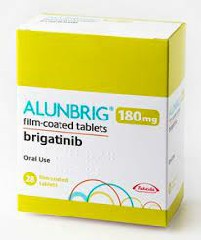
Brigatinib is a targeted drug, a second-generation ALK (anaplastic lymphoma kinase) inhibitor, used to treat ALK gene rearrangement-positive non-small cell lung cancer (NSCLC). Brigatinib inhibits the proliferation and metastasis of tumor cells by inhibiting the activity of ALK kinase. Brigatinib was initially approved to treat patients with advanced NSCLC who have progressed on other ALK inhibitors, such as crizotinib. As a newer ALK inhibitor, the efficacy of brigatinib and patient feedback in clinical settings are the focus of current attention.
The efficacy of brigatinib
Brigatinib has demonstrated significant efficacy in multiple clinical studies, especially in patients resistant to crizotinib. The ALTA-1L clinical trial study announced in 2017 showed that brigatinib is effective in first-line treatmentALKpositive non-small cell lung cancer is more prominent. Compared with crizotinib, brigatinib significantly prolongs the progression-free survival of patients (PFS). In this trial, brigatinib's PFS was 24.7 months, while crizotinib's PFS was only 11.1 months. In addition, brigatinib has demonstrated significant therapeutic effects against multiple ALK mutation types, including brain metastases, making this feature particularly important in clinical applications.
Patient clinical feedback
In clinical treatment, brigatinib is widely regarded as a drug with strong efficacy and good tolerance. Many patients have shown favorable responses with tumor shrinkage and disease stabilization following the use of brigatinib. Especially for patients who have developed resistance to initial ALK inhibitors (such as crizotinib), brigatinib can often significantly improve their prognosis. After using brigatinib, some patients' disease was effectively controlled, their tumor burden was significantly reduced during treatment, and their quality of life also improved.
Patients generally report during treatment that the side effects of brigatinib are relatively controllable. Although there are some common side effects, such as diarrhea, fatigue and mild lung problems, they are different from otherALKCompared with inhibitors, the severity of side effects is relatively low. Many patients say that compared with other treatments, brigatinib has less impact on daily life while controlling tumors and is more easily accepted by the body.
Resistance and long-term effects
Although brigatinib has shown significant efficacy in most patients, some patients have developed drug resistance as treatment continues. During long-term use of brigatinib, patients may gradually develop resistance to the drug, especially as tumor mutations change. The evolution of ALK mutation types may lead to a weakening of the drug's efficacy. Studies have shown that brigatinib resistance mechanisms often include new mutations in the ALK gene or activation of other alternative signaling pathways.
In order to deal with the problem of drug resistance, some patients will choose combination therapy or switch to other drugs after developing drug resistance, such as third-generation ALK inhibitors (such as lopitinib). Although drug resistance is a common problem in targeted therapies, brigatinib's remarkable efficacy and relatively low side effects still make it occupy an important position in clinical treatment.
Side effects and management
Although the side effects of brigatinib are mild, they still require close attention by patients and doctors. Common side effects include diarrhea, fatigue, pneumonia, nausea and loss of appetite. In most cases, patient side effects can be controlled by adjusting dosage or taking symptomatic treatment. Studies have shown that brigatinib's side effects are generally tolerable, and patients' tolerance sometimes improves over time with treatment.
Overall, brigatinib has shown good efficacy and relatively low side effects in clinical practice, especially in the treatment of ALK positive non-small cell lung cancer. Despite challenges such as drug resistance, its efficacy in advanced or metastatic patients still provides patients with significant survival benefits. With further research, the prospects for the use of brigatinib will be broader, bringing treatment hope to more patients.
Reference materials:https://www.alunbrig.com/
[ 免责声明 ] 本页面内容来自公开渠道(如FDA官网、Drugs官网、原研药厂官网等),仅供持有医疗专业资质的人员用于医学药学研究参考,不构成任何治疗建议或药品推荐。所涉药品可能未在中国大陆获批上市,不适用于中国境内销售和使用。如需治疗,请咨询正规医疗机构。本站不提供药品销售或代购服务。


