
.jpeg)
Important information and precautions for use in the package insert of evantumumab
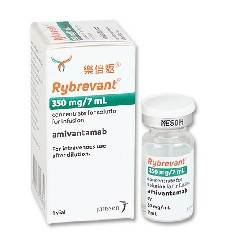
Amivantamab (amivantamab) is a recombinant humanized monoclonal antibody mainly used to treat EGFR mutated non-small cell lung cancer (NSCLC) and other malignant tumors related to EGFR and MET gene mutations. Its mechanism of action is by binding to EGFR and MET receptors, inhibiting these signaling pathways, thereby preventing the growth and proliferation of cancer cells. There are several important contents in the drug instructions that patients and doctors need to pay attention to when using them.
1.Indications: Evantumumab is mainly indicated for the treatment of EGFR mutated non-small cell lung cancer (NSCLC), especially for advanced patients who are resistant to conventional treatments. In addition, it is also suitable for the treatment of other related tumors, especially when the patient's tumor shows EGFR and MET gene mutations.
2.Dosage and administration: Evantumumab is an intravenous injection, and the usual recommended initial dose is 1050mg (applicable to patients weighing ≥80kg), injected once every two weeks. For patients weighing less than 80 kg, the initial dose is 1400 mg. Administration should be done by a healthcare professional, with the patient receiving the injection in a hospital or treatment center and under appropriate supervision.
3.Drug composition and structure: This drug is prepared through humanized monoclonal antibody technology and combines EGFR and MET receptors, and has unique anti-tumor effects. Its preparations do not contain toxic ingredients similar to chemical drugs, so widespread systemic toxicity is less likely to occur.
4.Adverse reactions: Common adverse reactions include rash, respiratory reactions, liver function abnormalities and allergic reactions. During use, patients need to monitor liver function regularly to avoid serious complications due to liver damage. If patients develop symptoms such as rash or difficulty breathing, they should inform their doctor immediately and avoid continuing to take the medication.
Precautions when using
1.Anaphylaxis: Evantumumab may cause severe allergic reactions, including anaphylactic shock, shortness of breath, and itchy skin. When receiving their first treatment, patients need to be monitored in the hospital for at least 2 hours to make sure the medicine is not causing an allergic reaction. If allergic symptoms occur, the medication should be stopped immediately and appropriate emergency treatment should be carried out.
2.Skin reaction: Skin rash is one of the most common adverse reactions during treatment with evantumumab. Patients may experience mild to severe skin inflammatory reactions, such as erythema, itching, or papules. To deal with this problem, patients can use topical ointments or other anti-allergy medications under the guidance of a doctor. Severe rashes or skin infections should be treated promptly to avoid the spread of infection.
3. Lung problems: Evantumumab may cause difficulty breathing and other respiratory problems, such as pneumonia or interstitial lung disease. If patients experience symptoms such as persistent cough, shortness of breath or chest tightness, they should report to their doctor promptly and consider suspending treatment. Doctors may need to adjust the dose or discontinue the drug based on the patient's specific symptoms.
4.Liver function monitoring: Evantumumab may cause abnormal liver function, especially the elevation of liver enzymes such as ALT and AST. Therefore, patients need regular liver function tests during treatment. If abnormal liver function is found, the doctor may decide to reduce the dose or suspend the medication until liver function returns to normal.
5.Interactions with other drugs: When using evantumumab, patients need to inform their doctors about other drugs they are using. In particular, combined use with immunosuppressants, chemotherapy drugs, or other targeted drugs may increase the risk of side effects. For the combined use of these drugs, reasonable arrangements need to be made based on the specific conditions of the patient.
6. Pregnant women and lactating women: The safety of evantumumab in pregnant and lactating women has not been fully established. Pregnant women should avoid using this drug unless the risks are considered to be less than the potential benefits under the guidance of a doctor. Breastfeeding women should stop breastfeeding when using this product.
Evantuzumab (amivantamab) is a drug with targeted therapy, mainly used to treat EGFR mutated non-small cell lung cancer and other related tumors. It has significant advantages in treating drug-resistant cancers and can inhibit the growth of tumor cells through specific effects. However, during use, patients need to pay special attention to potential side effects such as allergic reactions, skin reactions, respiratory problems, and abnormal liver function. Patients should undergo relevant examinations regularly and strictly follow the doctor's medication instructions to ensure treatment effectiveness and reduce the risk of side effects.
Reference materials:https://www.rybrevant.com/
[ 免责声明 ] 本页面内容来自公开渠道(如FDA官网、Drugs官网、原研药厂官网等),仅供持有医疗专业资质的人员用于医学药学研究参考,不构成任何治疗建议或药品推荐。所涉药品可能未在中国大陆获批上市,不适用于中国境内销售和使用。如需治疗,请咨询正规医疗机构。本站不提供药品销售或代购服务。


