
.jpeg)
Ruxolitinib tablets (JAKAVI) dosage and administration methods
Ruxolitinib (JAKAVI) is an oral JAK (Januskinase) inhibitor widely used to treat myelodysplastic syndromes (< span>MF), essential thrombocythemia (PV) and polycythemia vera (ET) and other diseases. It mainly reduces the release of pro-inflammatory factors by inhibiting the JAK-STAT signaling pathway, thereby alleviating disease symptoms and improving patients' quality of life. To ensure maximum effectiveness of a medication, correct usage and dosage are crucial.
1. Indications of ruxolitinib
Ruxolitinib is approved to treat moderate to severe myelodysplastic syndrome (MF), and **polycythemia vera ( PV) and essential thrombocythemia (ET)**, especially when conventional treatments fail to control symptoms. This drug mainly prevents the occurrence and development of diseases such as leukemia, thrombocytosis, and excessive production of red blood cells by inhibiting the activity of JAK2 enzyme. For the treatment of these diseases, ruxolitinib can effectively relieve symptoms, reduce tumor burden, and delay disease progression.
2. Usage and dosage of ruxolitinib
The dosage and administration of ruxolitinib are usually individually adjusted by doctors based on the patient's condition, age, weight and other factors. The following are generally recommended dosage guidelines:
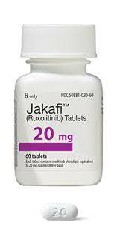
Myelodysplastic Syndrome (MF): The recommended initial dose for adult patients is 20 mg twice daily, for a total daily dose of 40 mg. If the patient tolerates the drug without serious adverse reactions, the dose can be increased to 25 mg twice daily, for a total daily dose of 50 mg.
Polycythemia vera (PV) and essential thrombocythemia (ET): The recommended dose for adult patients is 10 mg twice daily, for a total daily dose of 20 mg. During treatment, if the patient's symptoms are not effectively controlled, the doctor can adjust the dose appropriately.
When adjusting the dose, the patient's liver function, renal function and other related health conditions need to be considered. If necessary, the dose can be reduced or the drug temporarily discontinued. In patients with hepatic impairment, lower doses are generally recommended to start with.
3. How to take and precautions
Oral Usage: Ruxolitinib should be taken by mouth with food to help reduce gastrointestinal discomfort. Patients should take the medication at the same time every day to ensure stable absorption of the medication.
Monitoring during medication: During the treatment process, patients need to undergo regular blood tests, including liver and kidney function, routine blood tests and other tests. These tests can help doctors monitor the effects of medications on the body and adjust dosages in a timely manner. In addition, patients should have their cardiovascular system checked regularly, especially those with a history of heart disease.
Avoid missing doses: If patients miss a dose, they should take it as soon as they remember. However, if the next dose is close, they should skip the missed dose and take the dose at the normal time. Do not take twice the dose at one time to make up for a missed dose.
Interactions with other drugs: Drug interactions may occur when ruxolitinib is used with other drugs. Particularly when used concomitantly with strong CYP3A4 inhibitors or inducers (e.g., certain antibiotics, antifungals, antivirals), the ruxolitinib dose may need to be adjusted. Patients who are taking other drugs should inform their doctor that they are taking ruxolitinib.
Contraindications: Avoid use of this drug if the patient is allergic to ruxolitinib or its components, or has severe hepatic insufficiency. Before use, patients should inform their doctor if they have liver, kidney, cardiovascular or immune system-related diseases.
4. Side effects and management during medication
Although ruxolitinib can effectively control the disease, patients may encounter some side effects while taking the drug, common ones including nausea, headache, fatigue, anemia, etc. Most side effects are mild and usually resolve gradually as treatment continues. If serious adverse reactions occur, such as severe liver damage, bleeding, infection, etc., you should stop taking the drug immediately and seek medical help.
The correct taking method and dosage are the keys to ensuring the efficacy of ruxolitinib. When using ruxolitinib, patients should strictly follow the doctor's instructions for dose adjustment, conduct regular physical examinations, and monitor liver and kidney function and other potential side effects. In addition, patients should be aware of interactions with other medications and avoid self-adjustment of dosage or discontinuation of medication. Through standardized medication, ruxolitinib can effectively alleviate disease symptoms and improve patients' quality of life.
Reference materials:https://www.jakavi.com/
[ 免责声明 ] 本页面内容来自公开渠道(如FDA官网、Drugs官网、原研药厂官网等),仅供持有医疗专业资质的人员用于医学药学研究参考,不构成任何治疗建议或药品推荐。所涉药品可能未在中国大陆获批上市,不适用于中国境内销售和使用。如需治疗,请咨询正规医疗机构。本站不提供药品销售或代购服务。


