
.jpeg)
What are the adverse reactions of acalatinib? How should patients handle these reactions?
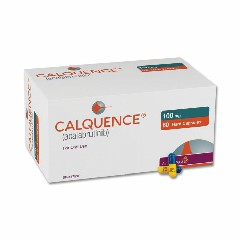
Acalabrutinib (Acalabrutinib) is a Bruton's tyrosine kinase (BTK) inhibitor, mainly used to treat diseases such as chronic lymphocytic leukemia (CLL) and small lymphocytic lymphoma (SLL). It inhibits the activity of BTK, interferes with B cell signaling, inhibits the proliferation and survival of cancer cells, and effectively combats related blood cancers. However, like all drugs, acotinib can cause a range of adverse effects. Understanding these adverse reactions and dealing with them in a timely manner are crucial to ensuring the smooth progress of treatment.
1. Hemorrhagic adverse reactions
A common adverse reaction of acotinib is bleeding. Due to its role as a BTK inhibitor, acotinib may affect platelet function, leading to an increased risk of bleeding. Common manifestations include epistaxis, subcutaneous congestion, hematuria, and severe gastrointestinal bleeding.
Processing method:
If minor bleeding occurs, such as a small area of subcutaneous congestion or nose bleeding, the patient can take local hemostatic measures, such as pressing the bleeding site.
For severe bleeding (such as gastrointestinal bleeding or persistent bleeding), patients should stop the drug immediately and seek medical help. Your doctor may decide whether bleeding medications or other interventions are needed based on the bleeding.
2. Adverse cardiovascular reactions
Some cardiovascular problems may occur during acotinib use, the most common being irregular heartbeats (especially atrial fibrillation). Some studies suggest that acotinib may increase the risk of cardiac arrhythmias, especially in patients with underlying heart disease.
Processing method:
Patients should undergo regular electrocardiogram (EKG) examinations while taking acotinib, especially in the early stages of treatment or in patients with heart disease.
If an irregular heartbeat occurs, your doctor may adjust the dose or, if necessary, stop the drug and provide pharmacological intervention, such as antiarrhythmic medication.
3. Leukopenia and infection
Acotinib may cause leukopenia, which makes patients susceptible to infections. Symptoms include repeated fever, cough, sore throat and other infection symptoms.
Processing method:
While taking acotinib, patients should have regular blood tests to monitor their white blood cell count.
If patients develop signs of infection, they should seek medical attention promptly, and antibiotics or other anti-infective treatments may be needed.
If the leukopenia is severe, your doctor may consider adjusting the dose or temporarily stopping the drug until blood levels return to normal.
4. Adverse reactions of the digestive system
Digestive system adverse reactions are also one of the common side effects of acotinib, manifesting as nausea, vomiting, diarrhea, loss of appetite, etc. These symptoms are usually mild but can be severe in some patients.
Processing method:
For mild nausea or vomiting, patients can take measures such as dividing meals and avoiding greasy foods to reduce discomfort.
If symptoms are severe, such as persistent diarrhea or vomiting, patients should contact their doctor as soon as possible. Antidiarrheal or antiemetic medications may be needed.
At the same time, maintain good fluid intake to avoid dehydration and electrolyte imbalance.
5. Abnormal liver function
Acotinib may have a certain impact on the liver, manifested by an increase in liver enzymes (such as AST, ALT). The condition is generally mild, but in a small number of patients, it can cause severe liver damage.
Processing method:
During treatment, patients should have liver function tests performed regularly, especially during the first few months of treatment.
If abnormal liver function is detected, the doctor may decide to adjust the dose or suspend the drug according to the situation, and monitor the recovery of liver function.
6. Other adverse reactions
In addition, acotinib may also cause side effects such as headache, fatigue, rash, and joint pain. These are generally mild and can be alleviated by adjusting the dose or symptomatic treatment.
Processing method:
Symptoms such as headache or fatigue can be relieved by getting enough rest and using painkillers.
The rash usually does not require discontinuation of medication, but if the rash is severe or accompanied by other symptoms, you should seek medical evaluation as soon as possible.
Acotinib has achieved remarkable results in the treatment of chronic lymphocytic leukemia and small lymphocytic lymphoma, but it may also cause certain adverse reactions. Patients need to pay close attention to reactions such as bleeding, cardiovascular problems, leukopenia, digestive discomfort, and abnormal liver function when using acotinib. Regular medical monitoring and prompt management of side effects are key to ensuring successful treatment. If serious side effects occur, patients should communicate with their doctor in time and adjust the drug dosage or discontinue the drug if necessary to ensure the safety of the treatment.
Reference materials:https://www.calquence.com/
[ 免责声明 ] 本页面内容来自公开渠道(如FDA官网、Drugs官网、原研药厂官网等),仅供持有医疗专业资质的人员用于医学药学研究参考,不构成任何治疗建议或药品推荐。所涉药品可能未在中国大陆获批上市,不适用于中国境内销售和使用。如需治疗,请咨询正规医疗机构。本站不提供药品销售或代购服务。


