
.jpeg)
How effective is clofazimine in treating tuberculosis? How does it compare to other anti-tuberculosis drugs?
Clofazimine (Clofazimine) is an aminocyclopropene antibiotic. It was originally used to treat leprosy, but in recent years studies have also been shown to have inhibitory effects on Mycobacterium tuberculosis (Mycobacterium tuberculosis, Mtb). The mechanism of action of clofazimine is different from traditional anti-tuberculosis drugs. It interferes with the normal growth and division of bacteria by binding to DNA. It especially shows a strong inhibitory effect against drug-resistant Mycobacterium tuberculosis. Although it is not a first-line treatment, clofazimine has potential as a second-line drug in the treatment of multidrug resistance (MDR) and extensively drug-resistant tuberculosis (XDR-TB).
Compared with traditional anti-tuberculosis drugs (such as isoniazid, rifampin), clofazimine has a special anti-tuberculosis effect. Clofazimine has good tissue permeability and can maintain a high concentration in lung tissue, thereby effectively inhibiting Mycobacterium tuberculosis in the lungs. It is particularly important in the treatment of drug-resistant tuberculosis, as clofazimine is often added as one of the alternative drugs in treatment regimens for multidrug-resistant and extensively drug-resistant tuberculosis to enhance efficacy and reduce the risk of treatment failure.
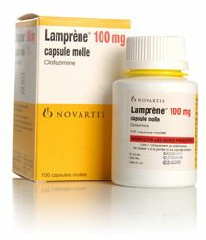
Although clofazimine has potential in treating tuberculosis, its side effects cannot be ignored. Common side effects include skin discoloration (especially yellow or reddish-brown), which may affect the patient's appearance and lead to reluctance to continue use. In addition, clofazimine may cause gastrointestinal discomfort, abnormal liver function and other problems, so regular monitoring is required during use. Compared with other anti-tuberculosis drugs, clofazimine has fewer drug resistance problems, especially for those tuberculosis strains that are resistant to conventional drugs. Clofazimine still has good efficacy.
Clofazimine is mainly used clinically to treat multidrug-resistant (MDR) tuberculosis and extensively drug-resistant (XDR) tuberculosis. In some studies, it has been used in combination with other anti-tuberculosis drugs to improve treatment success and reduce the emergence of drug-resistant strains. Although clofazimine is not widely used in the treatment of tuberculosis, with further research on its efficacy and side effects, it may become one of the key drugs in the treatment of drug-resistant tuberculosis. Future clinical studies will help determine the optimal use and range of indications for clofazimine in tuberculosis treatment.
Reference materials:https://www.novartis.com/our-products/pipeline/clofazimine
[ 免责声明 ] 本页面内容来自公开渠道(如FDA官网、Drugs官网、原研药厂官网等),仅供持有医疗专业资质的人员用于医学药学研究参考,不构成任何治疗建议或药品推荐。所涉药品可能未在中国大陆获批上市,不适用于中国境内销售和使用。如需治疗,请咨询正规医疗机构。本站不提供药品销售或代购服务。


