
.jpeg)
What diseases is Erdafitinib mainly used to treat? Applicable groups and medication guide
Erdafitinib is an oral FGFR (fibroblast growth factor receptor) inhibitor mainly used to treat patients with locally advanced or metastatic urothelial cancer (bladder cancer) who carry FGFR2 or FGFR3 gene mutations. The drug was approved by the U.S. FDA in 2019, becoming the first bladder cancer targeted drug targeting FGFR gene mutations. Erdafitinib blocks the growth and spread of tumor cells by inhibiting the FGFR signaling pathway, thereby delaying the progression of the disease.
In terms of applicable population, erdafitinib is mainly used for patients with urothelial cancer whose disease has progressed after previous platinum-containing chemotherapy. According to clinical trial (BLC2001 study) data, carriers of FGFR2 or FGFR3< After treatment with erdafitinib, the objective response rate (ORR) of patients with span> mutations is 40%, and some patients can achieve complete response or partial response. In addition, some studies have shown that the drug may also have certain effects on other solid tumors (such as cholangiocarcinoma), but it has not been widely approved for other cancer types. Before use, patients need to confirm whether there is a FGFR mutation through genetic testing to determine the indications for medication.
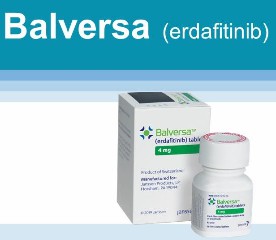
In terms of medication guidelines, the recommended starting dose of erdafitinib is usually 8 mg (oral) per day. The dose is adjusted according to the patient's tolerance and serum phosphorus level, and can be increased to a maximum of 9 mg. Since FGFR inhibition may affect phosphorus metabolism, patients need to regularly detect blood phosphorus levels during treatment, and appropriately adjust their diet or supplement phosphate. In addition, patients need to pay close attention to side effects during medication, such as hyperphosphatemia, ocular toxicity (blurred vision, retinopathy), skin and nail problems, etc. If serious adverse reactions occur, the dose may need to be reduced or discontinued.
Overall, erdafitinib provides an effective treatment option for patients with bladder cancer carrying FGFR mutations, especially in the treatment strategy after chemotherapy failure. However, due to its specific mechanism of action, patients must undergo genetic testing before use and undergo strict monitoring during treatment to ensure safety and efficacy. In the future, erdafitinib will be used in other FGFRPotential applications in related cancers are still under further study, and it is expected to provide precise treatment options for more patients.
Reference link:https://www.balversa.com/
[ 免责声明 ] 本页面内容来自公开渠道(如FDA官网、Drugs官网、原研药厂官网等),仅供持有医疗专业资质的人员用于医学药学研究参考,不构成任何治疗建议或药品推荐。所涉药品可能未在中国大陆获批上市,不适用于中国境内销售和使用。如需治疗,请咨询正规医疗机构。本站不提供药品销售或代购服务。


