
.jpeg)
Are there any serious side effects of ivonib? What side effects do we need to be vigilant about and deal with promptly?
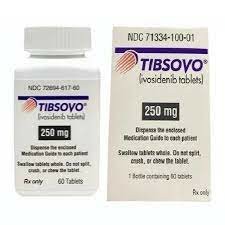
Ivosidenib is an oral small molecule targeted drug mainly used to treat acute myeloid leukemia (AML) and cholangiocarcinoma carrying IDH1 mutations. As an IDH1 inhibitor, ivonib inhibits the growth of tumor cells by blocking the activity of mutated IDH1 enzyme and reducing the excessive production of "2-hydroxyglutarate" (2-HG) in tumor cells. Although ivonib has shown good clinical efficacy, its use may still cause some side effects, some of which are mild, while some serious side effects require patients and doctors to be particularly vigilant and take timely measures to deal with them.
1. Common side effects
Common side effects of ivosidenib include fatigue, nausea, vomiting, diarrhea, decreased appetite, and muscle or joint pain. Most of these side effects are mild and can usually be relieved by adjusting diet, replenishing fluids, or getting adequate rest. For example, nausea and vomiting can be reduced by eating small meals or taking antiemetic medications, while diarrhea can be controlled by eating easily digestible foods and replenishing electrolytes. For muscle or joint pain, your doctor may recommend pain medication or moderate physical activity to relieve discomfort.
2. Serious side effects that require caution
Although ivonib is well tolerated, there are still some serious adverse reactions that require patients to pay close attention and seek medical treatment in time. Here are some of the more serious side effects:
(1)Differentiation Syndrome (Differentiation Syndrome)
Differentiation syndrome is one of the side effects that patients need to be wary of when using ivonib to treatAML patients. This syndrome is an inflammatory reaction caused by rapid differentiation of leukemia cells, which may cause symptoms such as fever, hypotension, dyspnea, and fluid retention (such as pulmonary edema, pleural effusion). In some cases, differentiation syndrome can be life-threatening, so patients should seek medical attention immediately if symptoms develop. Doctors usually control symptoms with corticosteroids (such as dexamethasone) and diuretics, and the dose of ivonib may need to be paused or adjusted.
(2)QTInterval prolongation
Avonib may causeQTProlongation of the QT interval, which is abnormal electrical activity in the heart, increases the risk of serious arrhythmias. QTProlongation of the QT interval may not cause obvious symptoms, but in some cases it may cause heart palpitations, dizziness, and even syncope. While taking ivonib, patients should receive regular electrocardiograms to monitor their heart condition. If the patient is also taking other drugs that may affect the QT interval (such as certain antibiotics, antipsychotics, or antidepressants), special caution is needed and adjustments should be made under the guidance of a doctor.
(3) Abnormal liver function
Some patients may experience elevated liver enzymes (ALT, AST) while taking ivonib, which may even lead to liver function damage. Abnormal liver function usually does not cause obvious discomfort, but if severe, it may cause symptoms such as jaundice, dark urine, and loss of appetite. Therefore, during treatment, doctors usually monitor patients' liver function indicators regularly. If liver enzymes increase significantly, the dose may need to be adjusted or treatment suspended.
3. How to manage the side effects of ivonib?
To reduce and control the side effects of ivosidenib, patients and doctors can take the following measures:
Regular monitoring: During the treatment process, patients need to undergo regular blood tests, electrocardiograms and liver function tests so that abnormalities can be detected and intervened in a timely manner.
Pay attention to diet and living habits: In order to reduce gastrointestinal discomfort, patients can take measures such as eating small meals frequently and avoiding irritating foods. Maintaining adequate fluid intake will help reduce the burden on the kidneys and reduce the risk of liver damage.
Pay attention to physical changes and seek medical treatment promptly: If symptoms such as fever, difficulty breathing, palpitations, syncope, severe diarrhea, etc. occur, patients should seek medical treatment immediately and do not stop taking the medicine or adjust the dosage on their own.
Rational drug use: Ivonib may interact with other drugs, so patients should inform their doctors about all the drugs they are taking, including over-the-counter drugs and health supplements, to avoid potential drug interactions while using this drug.
Avosidenib is a targeted drug targeting IDH1 mutations and has good efficacy in the treatment of AML and cholangiocarcinoma and other diseases. However, the drug may cause a series of side effects. Milder side effects such as nausea, diarrhea, fatigue, etc. can be alleviated by adjusting lifestyle and symptomatic treatment, while more serious side effects, such as differentiation syndrome, prolongation of QT interval and abnormal liver function, require close monitoring and timely treatment. When patients receive ivonib treatment, they should strictly follow the doctor's instructions and undergo regular examinations to ensure the safety and effectiveness of the treatment.
Reference link:https://www.tibsovo.com/
[ 免责声明 ] 本页面内容来自公开渠道(如FDA官网、Drugs官网、原研药厂官网等),仅供持有医疗专业资质的人员用于医学药学研究参考,不构成任何治疗建议或药品推荐。所涉药品可能未在中国大陆获批上市,不适用于中国境内销售和使用。如需治疗,请咨询正规医疗机构。本站不提供药品销售或代购服务。


