
.jpeg)
How effective is Brivaracetam?
Brivaracetam is an anti-epileptic drug (also known as an anticonvulsant) specially designed for patients with epilepsy. Its indications are specifically for partial-onset epilepsy in patients 1 month old and above. The drug is thought to target a protein called SV2A, which plays a crucial role in how nerve cells communicate with each other. By attaching to the SV2A protein, brivaracetam works by balancing the brain's electrical activity, blocking those abnormal electrical bursts that can lead to seizures. This mechanism of action lays a solid foundation for the wide clinical application of brivaracetam.
The effectiveness of Brivaracetam has been fully verified and recognized in multiple rigorous clinical trials. In three clinical trials involving1,550 participants results showed that brivaracetam, when used in combination with other antiepileptic drugs, could significantly reduce the frequency of partial seizures in patients with epilepsy aged 16 years and older. This finding not only strongly proves the significant efficacy of brivaracetam in adult patients, but also provides strong support for its application in pediatric patients.
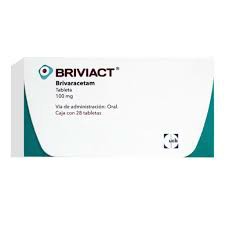
Forthe safety and effectiveness of brivaracetam are equally impressive in pediatric patients 4 years of age and older. Based on placebo-controlled partial-onset epilepsy studies in adults and additional pharmacokinetic and open-label safety studies in pediatric patients aged 4 years to less than 16 years, the use of brivaracetam in these age groups is supported by adequate and reliable data. Studies have shown that partial-onset epilepsy in children aged 4 to 16 years is similar to that in adults, and brivaracetam exhibits similar antiepileptic drug (AED) exposure-response relationships in these patients as in adults. Weight-based dose adaptation has been established in the pediatric population to achieve plasma concentrations similar to those observed in adults. The safety and tolerability profile of Brivaracetam in pediatric patients 4 to 16 years of age was generally similar to that observed in adult patients.
In addition, an open-label pediatric follow-up study provided strong evidence for the long-term use of brivaracetam in pediatric patients. The study conducted long-term follow-up observations on pediatric patients aged 1 month to 17 years old with partial seizures. The results showed that approximately 71.4% and 64.3% of patients were still treated with brivaracetam at 1 and 2 years respectively. This data demonstrates the durable efficacy and stable safety profile of brivaracetam in pediatric patients.
In summary, brivaracetam, as a new anti-epileptic drug, has demonstrated excellent effects and efficacy in controlling partial epileptic seizures. Its unique mechanism of action, significant clinical efficacy, and good tolerability and safety make brivaracetam one of the important choices for the treatment of partial seizures in epilepsy.
References:
https://www.drugs.com/newdrugs/fda-approves-briviact-brivaracetam-partial-onset-seizures-4344.html
[ 免责声明 ] 本页面内容来自公开渠道(如FDA官网、Drugs官网、原研药厂官网等),仅供持有医疗专业资质的人员用于医学药学研究参考,不构成任何治疗建议或药品推荐。所涉药品可能未在中国大陆获批上市,不适用于中国境内销售和使用。如需治疗,请咨询正规医疗机构。本站不提供药品销售或代购服务。


