
.jpeg)
Datopotamab dosage and usage
Datopotamab Deruxtecan (Dato-DXd for short) is an antibody drug conjugate (ADC) that is currently used to treat certain types of cancer, especially in cancers such as advanced or metastatic triple-negative breast cancer (TNBC). The usage and dosage of its treatment plan depend on the patient's condition, tolerance and doctor's guidance. Here are common uses and dosage adjustments for this drug:
1. Standard dosage and dosing frequency: The recommended starting dose of dabrotuzumab is 5.6 mg/kg by intravenous infusion every two weeks. Patients should calculate the exact dose based on their body weight, and the drug is usually administered by intravenous infusion, usually over 1 hour or more to ensure the safety and effectiveness of the drug. In clinical practice, the drug dosing interval may be adjusted based on patient tolerance and tumor response. A common dosing interval is 14 days.
2. Route of administration: Dedabrotuzumab is administered by intravenous infusion, so the pharmacist at the hospital or medical institution will be responsible for the preparation and infusion of the drug. Medications need to be infused in a professional medical setting to monitor patients for allergic reactions or other infusion-related side effects. For patients who are using this drug for the first time, doctors will arrange an intravenous infusion observation period to detect any adverse reactions in time.
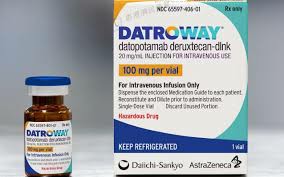
3. Dose adjustment: The dose of dabrotuzumab may be adjusted based on the patient's individual tolerance. If the patient experiences serious side effects during treatment, such as pulmonary toxicity, bone marrow suppression, etc., the dose may need to be suspended or reduced. Any adverse reactions experienced by patients should be reported immediately to the doctor, who will decide whether to continue treatment, adjust the dose, or suspend treatment based on the patient's specific situation. In addition, the duration and dosage of treatment will be individually adjusted based on the patient's clinical response and examination results.
4. Monitoring and follow-up: When using dedabrotuzumab, patients need to undergo regular clinical monitoring, especially blood routine, liver function, kidney function and pulmonary function tests. These examinations help evaluate the impact of drugs on patients and detect adverse reactions in a timely manner. Doctors usually evaluate the patient's health condition before each dose and decide whether to continue taking the medication or adjust the dose based on the results. When receiving treatment, patients should maintain close contact with their doctors and attend follow-up examinations on time to ensure the safety and effectiveness of the treatment.
With a rational dosing regimen and regular monitoring, dabrotuzumab can provide patients with effective treatment while reducing the risk of side effects.
Reference: https://clinicaltrials.gov/
[ 免责声明 ] 本页面内容来自公开渠道(如FDA官网、Drugs官网、原研药厂官网等),仅供持有医疗专业资质的人员用于医学药学研究参考,不构成任何治疗建议或药品推荐。所涉药品可能未在中国大陆获批上市,不适用于中国境内销售和使用。如需治疗,请咨询正规医疗机构。本站不提供药品销售或代购服务。


