
.jpeg)
Difference Between Aceminib and Orebatinib: Which Is Better for You?
In the field of targeted cancer treatment, Asciminib and Orelabrutinib (Orelabrutinib) are two drugs that have attracted much attention in recent years. Although they all show significant efficacy in the treatment of hematological cancers, especially leukemia, there are obvious differences in their mechanisms of action, indications, and clinical applications. Understanding these differences can help patients and doctors choose the most appropriate treatment plan based on individualized conditions.
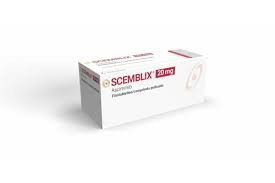
Asciminib (Asciminib) is a new type of BCR-ABL1 tyrosine kinase inhibitor (TKI), mainly used to treat chronic myelogenous leukemia (CML) and certain types of leukemia, especially those patients with T315I mutation. Unlike traditional TKI drugs such as Imatinib, Asiminib uses a more precise targeting mechanism to help treat patients who are resistant to traditional drugs by inhibiting specific domains of ABL1 kinase, especially the T315I mutation site. The advantage of Aceminib is that it is highly targeted and can not only effectively inhibit tumor cell proliferation, but also avoid the systemic side effects of traditional chemotherapy drugs.
Orelabrutinib (Orelabrutinib) is a BTK (Bruton tyrosine kinase) inhibitor, mainly used to treat some B-cell malignancies, such as chronic lymphocytic leukemia (CLL) and other B-cell-related lymphomas. BTK is a key enzyme for B cell development and activation, and it plays a vital role in the signaling process of B cells. In some types of leukemia and lymphoma, abnormal activation of the BTK signaling pathway promotes the growth and survival of tumor cells. Therefore, inhibiting BTK has the potential to inhibit tumor cell proliferation. Orebatinib can effectively slow down the proliferation of cancer cells by inhibiting the effect of BTK, especially in patients who are resistant to other treatments. It has shown good therapeutic effects.
In terms of indications, the applicable populations of aximinib and orebatinib are different. Aceminib is mainly used to treat BCR-ABL1-positive chronic myelogenous leukemia, especially those with T315I mutation. Such mutations make patients resistant to traditional TKI drugs (such as imatinib and dasatinib), leading to treatment failure. Therefore, aximini, as a second-generation TKI drug, is particularly suitable for the treatment of patients with drug-resistant CML. Orebatinib is mainly used in B-cell-associated lymphoma and chronic lymphocytic leukemia, especially in patients who are resistant to other therapies.
In terms of side effects, the side effects spectrum of aximinib and orebatinib are also different. Common side effects of acemini include headache, gastrointestinal discomfort, loss of appetite, etc. These side effects are usually mild and resolve over time. However, aximini may also cause some rare side effects, such as QT interval prolongation, liver function damage, etc., which require regular monitoring during treatment. The side effects of orebatinib are more specific and may include infection, bleeding, cardiovascular events, etc. Patients taking orebatinib may be more susceptible to infections due to the effects of BTK inhibitors on the immune system. Therefore, patients need to pay special attention to the monitoring of immune status and the prevention of related infections when receiving orebatinib treatment.
Reference materials:https://www.novartis.com/our-products/pipeline/asciminib
[ 免责声明 ] 本页面内容来自公开渠道(如FDA官网、Drugs官网、原研药厂官网等),仅供持有医疗专业资质的人员用于医学药学研究参考,不构成任何治疗建议或药品推荐。所涉药品可能未在中国大陆获批上市,不适用于中国境内销售和使用。如需治疗,请咨询正规医疗机构。本站不提供药品销售或代购服务。


