
.jpeg)
Can I stop taking afatinib once I start taking it? What are the criteria for discontinuation of medication?
Afatinib is a targeted drug used to treat EGFR mutation-positive non-small cell lung cancer (NSCLC). It inhibits the mutant activity of EGFR (epidermal growth factor receptor) to effectively delay the growth and spread of cancer cells. Like other targeted drugs, afatinib is usually a long-term treatment course. However, many patients and their families will have a question: Once they start taking afatinib, can they not stop taking it? If medication needs to be discontinued, what criteria should be used to make the decision?
Afatinib, as a targeted drug for the treatment of non-small cell lung cancer, is usually used for patients with positive EGFR gene mutations. The treatment process is generally individualized and adjusted according to factors such as the patient's condition development, treatment response, and side effects. In most cases, patients will continue taking afatinib under the guidance of their doctor until disease progression occurs or the drug's adverse effects reach an unacceptable level. Criteria for discontinuation usually depend on the following factors:
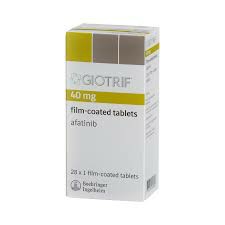
1. Disease progression: Afatinib is an effective targeted drug, but not all patients can continue to benefit. For some patients, as the treatment time is prolonged, the tumor may develop drug resistance. At this time, the therapeutic effect of afatinib will gradually weaken, and the patient's condition may further deteriorate. If disease progression is confirmed by imaging studies or clinical symptoms, your doctor may recommend stopping afatinib treatment and considering other treatment options.
2. Drug side effects: Although the side effects of afatinib are generally mild, some patients may experience intolerable side effects, such as rash, diarrhea, abnormal liver function, etc. If the patient experiences severe side effects that are difficult to alleviate through dose adjustment or adjuvant treatment, the drug may need to be discontinued. At this time, patients need to work with their doctor to evaluate whether to continue taking the medication or choose other alternative treatments.
3. Patients’ quality of life: For some patients, although the tumor progresses slowly, long-term medication may affect their quality of life, especially when the side effects of the medication cannot be effectively controlled. At this time, the doctor will evaluate whether to continue taking afatinib or to suspend drug treatment and switch to other treatment options based on the patient's overall health and quality of life.
4. Clinical research or treatment plan: In some special cases, patients may participate in clinical trials, and the use and discontinuation criteria of the drug may be determined by the trial protocol. For such patients, doctors will judge whether to continue using afatinib according to the regulations of the clinical trial.
In general, afatinib is not a drug that must be taken long-term. Whether to discontinue the drug usually depends on the individual situation of the patient. The most important thing is the balance between therapeutic effect and side effects. Once patients discover any abnormal reactions or disease progression, they should communicate with their doctors in a timely manner to jointly evaluate whether the treatment plan needs to be adjusted. By working closely with their doctors, patients can make the most appropriate treatment decisions based on their health conditions. During the treatment process, regular follow-up and examination are crucial, which can help doctors promptly detect problems that may arise during the treatment process and adjust treatment strategies.
Reference materials:https://www.giotrif.com/
[ 免责声明 ] 本页面内容来自公开渠道(如FDA官网、Drugs官网、原研药厂官网等),仅供持有医疗专业资质的人员用于医学药学研究参考,不构成任何治疗建议或药品推荐。所涉药品可能未在中国大陆获批上市,不适用于中国境内销售和使用。如需治疗,请咨询正规医疗机构。本站不提供药品销售或代购服务。


