
.jpeg)
How to use and dose Glasdegib
Glasdegib is a targeted drug mainly used to treat newly diagnosed acute myeloid leukemia (AML) in adults aged ≥75 years or who are unable to withstand intensive induction chemotherapy due to comorbidities. Glasgib is often combined with low-dose cytarabine in treatment regimens to increase treatment effectiveness.
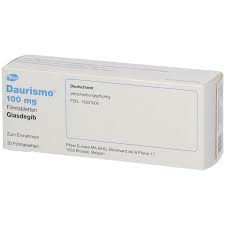
In terms of usage and dosage, the recommended dose of Glasgib is 20 mg of cytarabine as a subcutaneous injection twice daily on days 1 to 10 of each 28-day cycle. At the same time, 100 mg of Glasgib was taken orally daily from days 1 to 28. This regimen is designed to ensure that patients can undergo at least 6 treatment cycles without unacceptable toxicity or loss of disease control, allowing sufficient time to observe clinical response. In this way, doctors can better assess a drug's efficacy and tolerability.
When taking Glasgib, patients can choose to take it with food or on an empty stomach. This tablet must not be chewed or crushed to avoid affecting the efficacy of the drug. Patients are advised to try to take Glasgib at the same time every day. If vomiting occurs after taking the medication, the patient should not resume taking the alternate dose but should wait until the next scheduled dose is due. If you miss a dose, take it as soon as possible, but be sure to wait at least 12 hours before the next scheduled dose. You can resume your normal dosing schedule the next day, but you should not take two doses of Glasgib within 12 hours.
In addition to medication administration, monitoring and dosage adjustments are also critical. Before starting Glasgib, physicians should thoroughly evaluate the patient's complete blood count, electrolytes, kidney function, and liver function to ensure that the patient is suitable for treatment. Especially during the first month of treatment, these indicators should be monitored at least weekly. Electrolytes and kidney function also need to be monitored regularly during treatment, usually monthly.
In addition, before starting to use Glasgib and after taking the drug, doctors should also conduct electrocardiogram (ECG) monitoring according to clinical indications. In particular, when reporting muscle symptoms, doctors should pay attention to creatine phosphokinase (CPK) levels. Monitor ECG within approximately one week after initial dosing and monthly for the next two months to assess for QTc interval prolongation. If abnormalities are found, the electrocardiogram needs to be repeated promptly. Some patients may require more frequent monitoring to ensure cardiac safety.
Overall, the use of Glass Gibb involves multiple aspects of monitoring and management to ensure patient safety and therapeutic efficacy. By strictly following the medication regimen and regular monitoring, doctors can effectively reduce the risk of adverse reactions and provide patients with the best treatment plan. During the implementation process, patients should also maintain close communication with the medical team to understand their health status and any possible side effects so that potential problems can be dealt with in a timely manner. This comprehensive management strategy not only helps improve treatment outcomes but also improves patients’ quality of life.
References:https://dailymed.nlm.nih.gov/dailymed/drugInfo.cfm?setid=204a6f7e-c9a4-472b-abd2-9527bda64d17
[ 免责声明 ] 本页面内容来自公开渠道(如FDA官网、Drugs官网、原研药厂官网等),仅供持有医疗专业资质的人员用于医学药学研究参考,不构成任何治疗建议或药品推荐。所涉药品可能未在中国大陆获批上市,不适用于中国境内销售和使用。如需治疗,请咨询正规医疗机构。本站不提供药品销售或代购服务。


