
.jpeg)
Comparative analysis of the therapeutic effects and side effects of ibrutinib and zanubrutinib
Ibrutinib (Ibrutinib) and zanubrutinib (Zanubrutinib) are both Bruton's tyrosine kinase (BTK) inhibitors and are widely used to treat chronic lymphocytic leukemia (CLL) and other types of lymphoma. There are certain differences in treatment effects, side effects, and indications between the two. Understanding these differences is crucial for patients to choose appropriate treatment options.
1. Comparison of treatment effects
Since its approval in 2013, ibrutinib has been widely used to treat a variety of B cell malignancies, including chronic lymphocytic leukemia, mantle cell lymphoma (MCL), Waldenstrom's macroglobulinemia, etc. The clinical effect of ibrutinib is outstanding, and it can significantly improve the overall survival (OS) and progression-free survival (PFS) of patients. However, zanubrutinib is a relatively new BTK inhibitor that was approved in 2019 for the treatment of MCL and CLL. Clinical trials have shown that zanubrutinib is equivalent to ibrutinib in therapeutic efficacy and even superior in some cases. For example, zanubrutinib remains more effective with fewer cardiac side effects, so it may be a better choice for patients with heart disease.
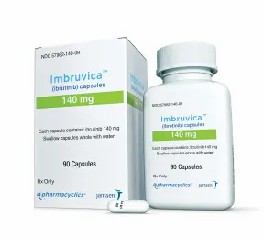
2. Differences in side effects
Side effects of ibrutinib include bleeding, arrhythmia, hypertension, gastrointestinal discomfort, and immune system suppression. Cardiac adverse reactions are particularly common, and many patients may need to monitor their heart health during treatment. In comparison, zanubrutinib has less impact on the heart, especially the risk of arrhythmias. The side effects of zanubrutinib mainly include fatigue, gastrointestinal discomfort, and hematological toxicity, but cardiovascular side effects are less common. Therefore, zanubrutinib may be a more appropriate option for patients with a history of cardiovascular disease.
3. Comparison of indications
Ibrutinib has been approved for a variety ofBTreatment of cell-related cancers, including chronic lymphocytic leukemia, mantle cell lymphoma, marginal zone lymphoma, and Waldenström's macroglobulinemia. Zanubrutinib is mainly used to treat chronic lymphocytic leukemia and mantle cell lymphoma, but its indications are more limited than ibrutinib. However, the therapeutic effect of zanubrutinib is generally more stable in these indications, especially in patients with CLL whose efficacy is comparable to that of ibrutinib.
Overall, both ibrutinib and zanubrutinib showed good therapeutic effects, but there were differences in side effects. Ibrutinib may cause more cardiovascular side effects, while zanubrutinib has an advantage in terms of cardiac safety. Choosing the most appropriate medication based on the patient's specific condition and pre-existing health conditions is critical. For patients with heart problems, zanubrutinib may be more suitable; for other patients, ibrutinib remains a widely used standard treatment option.
Reference materials:https://www.imbruvica.com/
[ 免责声明 ] 本页面内容来自公开渠道(如FDA官网、Drugs官网、原研药厂官网等),仅供持有医疗专业资质的人员用于医学药学研究参考,不构成任何治疗建议或药品推荐。所涉药品可能未在中国大陆获批上市,不适用于中国境内销售和使用。如需治疗,请咨询正规医疗机构。本站不提供药品销售或代购服务。


