
.jpeg)
What is the dosage and use of clofazimine against tuberculosis? How is it used in the treatment of tuberculosis?
Clofazimine (Clofazimine) is a drug mainly used to treat leprosy, but it can also be used to treat branched tuberculosis, especially multidrug-resistant tuberculosis (MDR-TB), which has a certain therapeutic effect. It is a chlorinated aromatic compound with antibacterial and anti-inflammatory effects. Because clofazimine has a strong inhibitory effect on tuberculosis branching, it is usually used as a second-line anti-tuberculosis drug, especially in the treatment of drug-resistant tuberculosis.
In the treatment of tuberculosis, the dosage and method of use of clofazimine need to be adjusted according to the specific situation of the patient. Generally, for adults, the recommended initial dose is 100 mg to 200 mg once daily. The specific dosage can be adjusted appropriately according to the patient's weight, condition, and drug resistance. In the treatment of tuberculosis, clofazimine is often used in combination with other anti-tuberculosis drugs, such as rifampin (Rifampicin), isoniazid (Isoniazid) and pyrimethamine (Ethambutol). The choice of treatment regimen should be based on the specific drug susceptibility of drug-resistant TB.
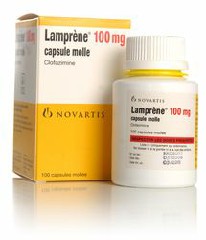
The role of clofazimine in the treatment of tuberculosis is mainly to reduce the proliferation of bacteria by inhibiting the growth of tuberculosis branches. In the treatment of multidrug-resistant tuberculosis, clofazimine is often used as an auxiliary drug in combination with other second-line anti-tuberculosis drugs, which can enhance the anti-tuberculosis effect and avoid further exacerbation of bacterial resistance. When used, doctors will comprehensively consider the combination of drugs based on the patient's drug resistance, treatment response and side effects. Clofazimine has a strong inhibitory effect on some strains of tuberculosis, but may not be effective on other strains, so drug resistance testing is needed.
When clofazimine is used to treat tuberculosis, the usually recommended treatment period is 6 months to 12 months. The specific treatment period is determined based on the patient's condition and treatment response. Like other anti-tuberculosis drugs, clofazimine needs to be taken regularly during the entire treatment process and avoid stopping the drug midway to prevent the development of drug-resistant strains. In the early stages of treatment, patients may feel some discomfort, but the effects of the drug usually appear after several weeks of continued use, so patients need to wait patiently and return for regular follow-up visits to evaluate the treatment effect.
Reference materials:https://www.novartis.com/our-products/pipeline/clofazimine
[ 免责声明 ] 本页面内容来自公开渠道(如FDA官网、Drugs官网、原研药厂官网等),仅供持有医疗专业资质的人员用于医学药学研究参考,不构成任何治疗建议或药品推荐。所涉药品可能未在中国大陆获批上市,不适用于中国境内销售和使用。如需治疗,请咨询正规医疗机构。本站不提供药品销售或代购服务。


