
.jpeg)
Guidance on dosage and dosage adjustment of acotinib
Acalabrutinib (Acalabrutinib) is a Bruton's tyrosine kinase (BTK) inhibitor, mainly used to treat chronic lymphocytic leukemia (CLL
1. Standard usage and dosage
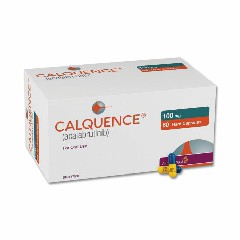
For most adult patients, the standard starting dose of acotinib is 100 mg taken orally once daily, recommended with food. This medicine can be taken with food and is not affected by food. Acotinib does not require adjustment based on food intake. The medicine should be swallowed whole and avoid chewing, crushing or opening the capsule.
2. Dose adjustment
The dose of acotinib can be adjusted appropriately based on the patient's response and tolerance. Here are some common dosage adjustment principles:
Poor tolerance: If the patient experiences adverse reactions during taking, especially those related to BTK inhibitors (such as infection, bleeding, cardiac symptoms, etc.), dose reduction can be considered. The daily dose can usually be adjusted to 100 mg twice daily, or 50 mg once daily, depending on the severity of the side effects.
Serious side effects: In the event of serious side effects, such as severe infection or bleeding, the use of acotinib should be suspended until the side effects are controlled, and then the gradual resumption of the drug should be considered.
3. Dose adjustment for special populations
Special caution is required in patients with impaired renal and hepatic function, and dose adjustments may be necessary based on hepatic and renal function. The specific situation should be evaluated under the guidance of a doctor, and the medication plan should be adjusted:
Hepatic Impairment: For patients with mild or moderate hepatic impairment, normal dosage may be considered. In patients with severe hepatic impairment, acotinib should be avoided unless carefully evaluated by a physician.
Renal Impairment: Patients with renal insufficiency usually do not require special dose adjustments, but caution should be used if there are other comorbidities or if multiple medications are used.
4. Monitoring and evaluation during treatment
While using acotinib, patients need to undergo various examinations regularly to ensure the efficacy of the drug and to detect possible side effects in a timely manner. Common monitoring items include:
Routine blood tests: Acotinib may cause leukopenia or thrombocytopenia, so blood indicators need to be checked regularly.
Liver and kidney function tests: Make sure liver and kidney function are not affected during treatment.
Heart health monitoring: Because acotinib may cause irregular heartbeats or other heart problems, electrocardiograms (ECG) should be performed regularly.
With appropriate dose adjustment and regular monitoring, acotinib can effectively treat multiple lymphoma types and greatly improve patients' quality of life. During use, patients should maintain good communication with their doctors to jointly optimize the treatment plan.
Reference materials:https://www.calquence.com/
[ 免责声明 ] 本页面内容来自公开渠道(如FDA官网、Drugs官网、原研药厂官网等),仅供持有医疗专业资质的人员用于医学药学研究参考,不构成任何治疗建议或药品推荐。所涉药品可能未在中国大陆获批上市,不适用于中国境内销售和使用。如需治疗,请咨询正规医疗机构。本站不提供药品销售或代购服务。


