
.jpeg)
What are the possible side effects of evantuzumab? How can these side effects be managed to ensure treatment is safe?
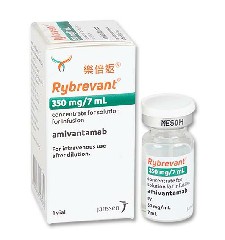
Amivantamab is a bispecific monoclonal antibody targeting the EGFR-MET pathway and is mainly used for treatment. Patients with non-small cell lung cancer (NSCLC) with EGFRexon20 insertion mutations. Although the drug has shown good efficacy in clinical treatment, like other targeted therapies and immunotherapy drugs, it may also cause a series of side effects. Understanding and proactively managing these adverse effects is critical to ensuring the safety of treatment and improving patients' quality of life.
1. Infusion-related reactions (IRR)
Side effects: Infusion-related reactions are one of the most common adverse reactions when using evantumumab and usually occur during the first infusion. Patients may experience fever, chills, rash, low blood pressure, shortness of breath, or chest tightness.
Management measures:
During the first infusion, a slow drip method should be used, while the patient's vital signs should be closely monitored;
Administer antihistamines, antipyretics and analgesics (such as acetaminophen) and glucocorticoids in advance to reduce the incidence ofIRR;
If the patient experiences a serious reaction during the infusion, the infusion should be suspended immediately and appropriate treatment should be given according to the symptoms, such as oxygen inhalation, anti-allergic drugs, or infusion speed adjustment.
2. Skin toxicity (rash, dryness, itching)
Side effects: Since evantumumab targets the EGFR pathway, patients may experience skin-related adverse reactions, such as rash, dry skin, itching, skin cracking, etc. Some patients may even develop severe acneiform dermatitis or skin infection.
Management measures:
Mild rashes can be treated topically with moisturizing creams, anti-inflammatory creams (such as low-concentration corticosteroids), antibiotic ointments, etc.;
Moderate or severe rashes may require oral antibiotics (eg, doxycycline, minocycline) to prevent secondary infection;
Avoid prolonged exposure to the sun, use gentle skin care products, and keep your skin clean to reduce the risk of skin irritation;
Severe skin reactions may require a short-term discontinuation or dose adjustment, with your doctor deciding whether to continue treatment.
3. Pulmonary toxicity (interstitial lung disease, pneumonia)
Side effects: Evantumumab may cause lung inflammation, such as interstitial lung disease (ILD) or drug-related pneumonia. Patients may experience dry cough, dyspnea, chest pain and other symptoms.
Management measures:
If the patient has persistent cough or difficulty breathing, imaging examinations (such as chestCT) should be performed promptly to evaluate the lung condition;
Mild pulmonary toxicity can be observed by discontinuing the drug or reducing the dose;
Severe lung inflammation may require anti-inflammatory treatment with corticosteroids (such as prednisone) and permanent discontinuation of evantumumab;
Pulmonary function monitoring is performed regularly to ensure the health of the patient's respiratory system.
4. Gastrointestinal reactions (diarrhea, nausea, decreased appetite)
Side effects: Some patients may experience gastrointestinal discomfort, such as diarrhea, nausea, vomiting, decreased appetite, etc. during treatment with evantumumab. These symptoms may affect patients' nutritional intake and quality of life.
Management measures:
Mild diarrhea can be relieved by adjusting the diet (low-fat, low-fiber, avoiding spicy foods) and supplementing with electrolytes;
Moderate or severe diarrhea may require antidiarrheal medications (such as loperamide);
Patients with nausea or loss of appetite can eat light, easily digestible food in moderation, and use antiemetic drugs under the guidance of a doctor;
Maintain adequate fluid intake to prevent dehydration and electrolyte imbalance.
5. Adverse eye reactions
Side effects: Some patients may experience eye discomfort, such as blurred vision, dry eyes, conjunctivitis, etc.
Management measures:
Mild symptoms can be relieved with artificial tears or lubricating eye drops;
If symptoms worsen, you should seek medical attention as soon as possible and be evaluated by an ophthalmologist, and treatment should be suspended or adjusted if necessary.
6. Abnormal liver function
Side effects: Patients taking evantumumab may experience elevated liver enzymes (ALT, AST), and even cause liver function damage.
Management measures:
Monitor liver function regularly (ALT, AST, bilirubin and other indicators);
Mild liver enzyme elevations usually do not require discontinuation of the drug but require close monitoring;
If severe liver injury occurs, treatment should be discontinued and hepatoprotective drugs (such as reduced glutathione or silymarin) should be considered.
Evantumumab, a bispecific antibody targeting EGFR-MET, has shown good efficacy in the treatment of EGFR mutant non-small cell lung cancer, but its side effects cannot be ignored. Common adverse reactions include infusion-related reactions, skin toxicity, lung inflammation, gastrointestinal discomfort, eye problems, and liver function abnormalities. Patients should undergo regular examinations while using this drug and take corresponding management measures under the guidance of a doctor to reduce the incidence of side effects and improve the safety and tolerability of treatment. Through reasonable monitoring and timely intervention, patients can achieve therapeutic effects while minimizing the impact of adverse reactions on their quality of life.
Reference materials:https://www.rybrevant.com/
[ 免责声明 ] 本页面内容来自公开渠道(如FDA官网、Drugs官网、原研药厂官网等),仅供持有医疗专业资质的人员用于医学药学研究参考,不构成任何治疗建议或药品推荐。所涉药品可能未在中国大陆获批上市,不适用于中国境内销售和使用。如需治疗,请咨询正规医疗机构。本站不提供药品销售或代购服务。


