
.jpeg)
Can rubicatin/rubitin cure small cell lung cancer? Analysis of efficacy and limitations
Lurbinectedin, as a new anti-tumor drug, has been approved for the treatment of recurrent small cell lung cancer (SCLC), but whether it can "cure" this highly aggressive lung cancer is still a question worth exploring. SCLC has a low long-term survival rate due to its high malignancy, rapid growth, and susceptibility to treatment resistance. Although rubicatin has shown better efficacy than traditional second-line therapy in clinical trials, it does not change the incurable characteristics of SCLC, but provides patients with an option to delay disease progression and improve quality of life.
In a pivotal phase II clinical trial, rubicatin monotherapy achieved an objective response rate (ORR) of 35.2% in patients with recurrent SCLC, and some patients could achieve disease control for more than 6 months. However, due to the extremely high drug resistance of SCLC, even if the initial treatment is effective, many patients will still develop drug resistance within a few months, leading to disease progression. Therefore, although rubicatin can prolong the progression-free survival (PFS) of patients, it still cannot fundamentally cure SCLC.
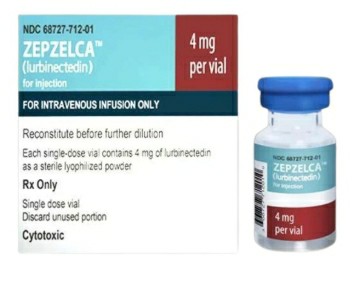
The limitations of this drug are mainly reflected in the management of drug resistance and side effects. SCLC patients often develop resistance to second-line and later-line treatments. The resistance mechanism of rubicatin is not yet fully understood, but preliminary research shows that tumor cells may evade the effects of the drug through changes in DNA repair pathways. In addition, the main adverse reaction of rubicatin is bone marrow suppression, especially neutropenia, which may limit the long-term drug tolerance in some patients.
Currently, researchers are trying to combine rubicatin with other anticancer drugs or immunotherapy to overcome resistance and improve efficacy. For example, the ongoing Phase III clinical trial (ATLANTIS study) is evaluating the efficacy of rubicatin combined with doxorubicin in the treatment of recurrent SCLC, and preliminary data indicate that this regimen may be superior to monotherapy. In addition, the combined application of rubicatin and immune checkpoint inhibitors (such as atezolizumab) has also attracted much attention, hoping to further prolong patient survival by enhancing the immune response.
Reference materials:https://www.zepzelca.com/
[ 免责声明 ] 本页面内容来自公开渠道(如FDA官网、Drugs官网、原研药厂官网等),仅供持有医疗专业资质的人员用于医学药学研究参考,不构成任何治疗建议或药品推荐。所涉药品可能未在中国大陆获批上市,不适用于中国境内销售和使用。如需治疗,请咨询正规医疗机构。本站不提供药品销售或代购服务。


