
.jpeg)
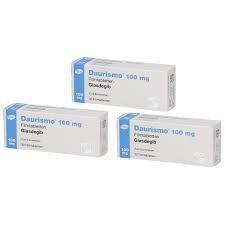
What are the precautions for Glasdegib?
In the clinical study of Glasdegib combined with low-dose cytarabine in the treatment of acute myeloid leukemia (AML), warnings and precautions such as fetal toxicity, QTc interval prolongation, and musculoskeletal adverse reactions have emerged. Discontinue and resume at reduced dose upon recovery, or permanently discontinue based on severity.
1. Embryo-fetal toxicity
Based on the mechanism of action of Glasgib and the results of animal embryo-fetal developmental toxicity studies, taking Glasgib by pregnant women can cause embryo-fetal death or severe birth defects. In animal embryo-fetal developmental toxicity studies, Glasgib caused embryotoxicity, fetal toxicity, and teratogenicity under maternal exposure at levels lower than human exposure at the recommended dose of 100 mg. Inform pregnant women of potential risks to the fetus.
(1) Women of reproductive potential: Use of Glasgib during pregnancy is not recommended. Perform a pregnancy test in female patients of reproductive potential before initiating drug therapy. Advise females of reproductive potential to use effective contraception during treatment and for at least30 days after the last dose. Advise women not to breastfeed during treatment and for at least 30 days after the last dose.
(2)Males: Inform male patients with female partners of the potential risk of exposure through semen and to use effective contraception, including condoms, even after vasectomy, to avoid exposure to the drug to a pregnant partner or female partner of reproductive potential during treatment with GlasgibO and for at least 30 days after the last dose.
(3) Blood Donation: Patients are advised not to donate blood or blood products while taking Glasgib and for at least30 days after the last dose because their blood or blood products may be transfused to women of reproductive potential.
2. QTc interval prolongation
Patients receiving glasgib may develop QTc prolongation and ventricular arrhythmias, including ventricular fibrillation and ventricular tachycardia. Clinical trials excluded patients with baseline QTc >470 ms or a history of long QT syndrome or uncontrolled cardiovascular disease. Monitor electrocardiogram (ECG) and electrolytes. Coadministration of glazegib with drugs known to prolong the QTc interval and CYP3A4 inhibitors may increase the risk of QTc prolongation. More frequent ECG monitoring is recommended in patients with congenital long QT syndrome, congestive heart failure, electrolyte abnormalities, or who are taking drugs known to prolong the QTc interval.
IfQTc increases to >500ms, interrupt Glass Gibb. Glasgib should be permanently discontinued in patients who develop QTc interval prolongation with signs or symptoms of life-threatening arrhythmias.
3. Musculoskeletal adverse reactions
Glasgib and other drugs that inhibithedgehog (Hh) pathway have been associated with musculoskeletal adverse reactions that may be accompanied by elevated CPK. The most common musculoskeletal adverse reactions are musculoskeletal pain and muscle cramps. Before initiating GLAZIB, obtain a baseline CPK level as clinically indicated (e.g., if muscle symptoms are reported). For patients with musculoskeletal adverse reactions who also experience CPK elevations greater than 2.5 times the ULN, obtain CPK and serum creatinine levels at least weekly until clinical signs and symptoms resolve. Depending on the severity of symptoms, musculoskeletal adverse reactions or serum CPK elevations may require temporary dose interruption, dose reduction, or discontinuation of GLAZIB.
References:https://dailymed.nlm.nih.gov/dailymed/drugInfo.cfm?setid=204a6f7e-c9a4-472b-abd2-9527bda64d17
[ 免责声明 ] 本页面内容来自公开渠道(如FDA官网、Drugs官网、原研药厂官网等),仅供持有医疗专业资质的人员用于医学药学研究参考,不构成任何治疗建议或药品推荐。所涉药品可能未在中国大陆获批上市,不适用于中国境内销售和使用。如需治疗,请咨询正规医疗机构。本站不提供药品销售或代购服务。


