
.jpeg)
What is the difference between acalabrutinib and zanubrutinib? What are the differences between the two in terms of treatment effects, side effects and indications?
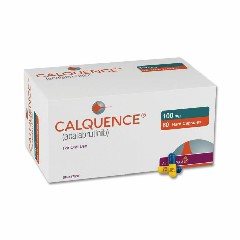
Acalabrutinib and zanubrutinibZanubrutinib are both BTK (Bruton cheese amino acid kinase) inhibitors, used to treat certain types of hematological tumors, such as chronic lymphocytic leukemia (CLL) and small lymphocytic lymphoma (SLL). Although their mechanisms of action are similar, by inhibiting BTK to block B cell receptor signaling, thereby inhibiting the growth and spread of cancer cells, there are some differences in therapeutic effects, side effects, and indications.
1. Differences in treatment effects
Acotinib and zanubrutinib have shown good efficacy in the treatment of chronic lymphocytic leukemia (CLL) and small lymphocytic lymphoma (SLL). Both can effectively inhibit BTK, reduce the activation of B cells, and inhibit tumor progression.
However, in clinical trials, the efficacy of zanubrutinib was considered to be more powerful, especially in patients who did not respond well to acotinib treatment, zanubrutinib showed a higher response rate. According to different clinical research data, zanubrutinib has a higher objective response rate (ORR) in patients with relapsed or refractory CLL and has a longer progression-free survival (PFS) than acotinib. In addition, zanubrutinib has shown good efficacy in some patient groups who have failed treatment with acotinib.
2. Comparison of side effects
The side effects of acotinib and zanubrutinib are roughly similar, mainly including infection, hypertension, thrombocytopenia, gastrointestinal discomfort, etc. However, the two differ in the incidence and severity of side effects.
Among the side effects of acotinib, headache and peripheral edema are more common. In addition, acotinib is more likely to cause heart problems, such as arrhythmias and QT prolongation, which requires close monitoring of heart function during use.
Zanubrutinib has milder side effects, especially lower cardiovascular risks. Compared with acotinib, it has less impact on cardiac function. The side effects of zanubrutinib mainly include infection and hematological adverse reactions (such as neutropenia, anemia, and thrombocytopenia), but the overall incidence of side effects is low. Zanubrutinib is generally considered safer in older patients or those with a history of severe heart disease because of its fewer cardiovascular side effects.
3. Differences in indications
The indications of acotinib and zanubrutinib have considerable overlap, but in some subgroups, the indications are different. Acotinib is an FDA-approved drug for chronic lymphocytic leukemia (CLL) and small lymphocytic lymphoma (SLL) and can be used in patients who have failed other treatments. The use of acotinib is relatively early and is often used as initial treatment or as a treatment option after treatment failure.
Although zanubrutinib is also approved for the treatment of CLL and SLL, its performance is better in treating refractory and relapsed disease. Especially in some patients who are refractory to traditional treatments, zanubrutinib may be more effective than acotinib. Because zanubrutinib is more effective in patients with poor cardiovascular health, it may be the treatment of choice for some high-risk patients.
Although acotinib and zanubrutinib are both BTK inhibitors and have significant effects in the treatment of hematological cancers, there are certain differences between them. Zanubrutinib performed well in terms of therapeutic efficacy and side effects, especially in patients who did not respond to acotinib treatment. The low risk of cardiovascular adverse effects of zanubrutinib makes its use more advantageous in high-risk patients. In contrast, acotinib remains an effective treatment option in some patients, but its cardiovascular risks require special attention.
When patients choose these two drugs, they need to weigh the treatment effect and the risk of side effects based on their own disease, physical condition, and doctor's advice, so as to choose the most suitable drug for treatment.
Reference materials:https://www.calquence.com/
[ 免责声明 ] 本页面内容来自公开渠道(如FDA官网、Drugs官网、原研药厂官网等),仅供持有医疗专业资质的人员用于医学药学研究参考,不构成任何治疗建议或药品推荐。所涉药品可能未在中国大陆获批上市,不适用于中国境内销售和使用。如需治疗,请咨询正规医疗机构。本站不提供药品销售或代购服务。


