
.jpeg)
Which generation of targeted drug is dacomitinib? What are its advantages and differences compared with other generation targeted drugs?
Compared with first-generation drugs, the advantage of dacomitinib is mainly reflected in its stronger anti-tumor activity. Most of the first-generation drugs work well in EGFR mutation-positive patients, but as treatment progresses, patients often develop drug resistance, especially against drug-resistant mutations such as T790M mutation. Dacomitinib, on the other hand, has a stronger targeting effect and longer duration of efficacy, and can overcome the resistance caused by some first-generation drugs, so it may have a more significant effect when treating patients in the advanced stage.
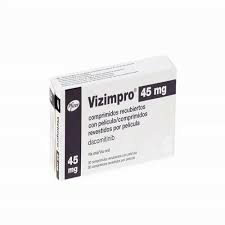
Although dacomitinib has strong efficacy in the treatment of non-small cell lung cancer, its side effects are more obvious compared with other targeted drugs. Common side effects include diarrhea, rash, mouth ulcers, etc. These side effects may affect the patient's quality of life. Therefore, proper side effect management needs to be carried out under the guidance of a doctor when using dacomitinib. Overall, dacomitinib, as a second-generation EGFR-targeted drug, provides a more effective treatment option for some patients with non-small cell lung cancer, especially showing unique advantages in the treatment of drug-resistant or relapsed patients.
Reference: https://www.pfizer.com/products/product-detail/vizimpro
[ 免责声明 ] 本页面内容来自公开渠道(如FDA官网、Drugs官网、原研药厂官网等),仅供持有医疗专业资质的人员用于医学药学研究参考,不构成任何治疗建议或药品推荐。所涉药品可能未在中国大陆获批上市,不适用于中国境内销售和使用。如需治疗,请咨询正规医疗机构。本站不提供药品销售或代购服务。


