
.jpeg)
Is ixazomib/enleri less effective than bortezomib? Comparison of the efficacy of two drugs
Ixazomib and bortezomib are two drugs commonly used to treat multiple myeloma (MM). Although they are both proteasome inhibitors, they have significant differences in therapeutic effects, medication methods and side effects. Understanding the comparative efficacy of these two drugs can help provide personalized treatment options for patients.
Ixazomib is an oral proteasome inhibitor mainly used in combination with lenalidomide (Lenalidomide) and dexamethasone (Dexamethasone) to treat adult patients with multiple myeloma. Unlike the traditional proteasome inhibitor bortezomib, the oral delivery format of ixazomib provides patients with greater convenience and fewer hospital visits. Bortezomib, usually administered intravenously or subcutaneously, is a classic drug widely used in the treatment of multiple myeloma.
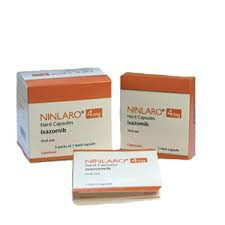
From a clinical efficacy perspective, ixazomib and bortezomib differ in their efficacy in the treatment of multiple myeloma. Multiple studies have shown that bortezomib is more effective in treating multiple myeloma, especially when patients are first treated or when the disease relapses. Bortezomib, as the drug of choice, has demonstrated strong efficacy in multiple clinical trials, especially its inhibitory effect on cell proliferation and its ability to promote apoptosis of cancer cells. Bortezomib can prevent the growth of cancer cells by inhibiting proteasome activity, thereby reducing the survival of tumor cells and playing an important role in the treatment of multiple myeloma.
However, ixazomib, as an oral medication, offers different treatment options than bortezomib. Although it is generally less effective than bortezomib, particularly in patients' initial treatment, ixazomib can provide good results in patients who have already received other treatments and have relapsed, especially in those who cannot tolerate or are not suitable for injectable drugs. The advantage of ixazomib is its oral convenience, which makes it an important treatment option for patients with multiple myeloma who require long-term treatment.
According to data from multiple clinical trials, there are certain differences in the efficacy of ixazomib and bortezomib combined with other drugs. According to the results of a study called "TOURMALINE-MM1", when ixazomib is combined with lenalidomide and dexamethasone, although the efficacy is ideal, the efficacy of ixazomib is relatively low compared to bortezomib. This study found that among patients treated with ixazomib, some patients still experienced disease progression after treatment. In contrast, bortezomib combined with lenalidomide and dexamethasone showed greater efficacy.
In addition to differences in efficacy, there are also certain differences in side effects between ixazomib and bortezomib. Common side effects of bortezomib include peripheral neuropathy, low platelets, anemia, infection, etc. Peripheral neuropathy in particular is a major problem in its treatment. In comparison, ixazomib has relatively mild side effects, especially a lower incidence of gastrointestinal reactions and peripheral neuropathy. In addition, the oral administration method of ixazomib also makes the treatment experience more convenient for patients, reducing the burden of regular visits to the hospital for injections.
Reference materials:https://www.ninlaro.com/
[ 免责声明 ] 本页面内容来自公开渠道(如FDA官网、Drugs官网、原研药厂官网等),仅供持有医疗专业资质的人员用于医学药学研究参考,不构成任何治疗建议或药品推荐。所涉药品可能未在中国大陆获批上市,不适用于中国境内销售和使用。如需治疗,请咨询正规医疗机构。本站不提供药品销售或代购服务。


