
.jpeg)
Acolitinib plus venetoclax and otuzumab show high level of activity in first-line high-risk CLL
The combination of acalabrutinib, venetoclax, and obinutuzumab is safe and effective in treating patients with previously untreated high-risk chronic lymphocytic leukemia (CLL), according to published results from a Phase 2 study (NCT03580928). High-risk disease is defined as the presence ofTP53 abnormalities.
At a median follow-up of 38.5 months, patients with CLL with TP53 abnormalities (n=45) who received triple therapy experienced a complete response (CR) with bone marrow undetectable minimal residual disease (BM-uMRD) at the beginning of cycle 16, with an incidence of 42% (95% CI, 28%-58%); 49% (95% CI, 34%-64%) achieved a CR. The peripheral blood undetectable minimal residual disease (PB-uMRD) and BM-uMRD rates in patients with TP53 abnormalities who reached cycle 25 were 57% (95% CI 41%-72%) and 76% (95% CI-61%-88%), respectively. The median time to BM-uMRD and PB-uMRD were 13.6 months (95% CI, 6.7-14.0) and 6.7 months (95% CI, 6.5-7.0), respectively.
Phase The phase 3 AMPLIFY trial [NCT03836261] recently evaluated previously untreated wild-type TP53 Fixed-duration acalabrutinib, venetoclax, and octuzumab was established as a new standard-of-care option for patients with CLL; however, due to the chemoimmunotherapy control arm, AMPLIFY excluded patients with high-risk TP53 abnormalities, and the current standard of care is continuous BTK inhibitor therapy or a fixed-duration venetoclax-based doublet. Acalabrutinib, venetoclax, and otuzumab have not previously been evaluated in CLL patients with TP53 abnormalities.
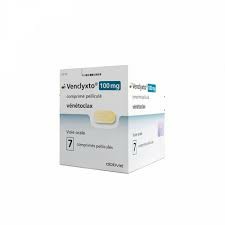
Per CLL 2018 International Symposium criteria, this open-label study enrolled patients with previously untreated CLL or small lymphocytic lymphoma requiring initial therapy. Eligible patients also need to be at least 18 years old, have measurable disease, an ECOG performance status of 2 or less, and normal organ and bone marrow function. At the beginning of cycle 16, patients were allowed to discontinue acalabrutinib and venetoclax if they achieved CR with BM-uMRD. If this endpoint is not met, or they choose to continue with the combination, they will continue treatment until cycle 25, and they can stop treatment if they have BM-uMRD and are in at least partial response (PR).
The primary endpoint was at CR was performed by BM-uMRD flow cytometry with a sensitivity of 10-4 at the beginning of 16 cycles. Secondary endpoints include overall survival (OS), progression-free survival (PFS), CR rate, PR rate and PB-uMRD rate.
The 4-year progression-free survival and overall survival rates of patients with TP53 abnormalities were 70% (95% CI, 55%-91%) and 88% (95% CI, 75%-100%) respectively. The best ORR was 98%, the best CR rate was 71%, and the best CR rate of BM-uMRD was 58%. In the total population (n=72), the CR for BM-uMRD rate at the start of cycle 16 was 42% (95% CI, 30%-54%); the incidence rates of BM-uMRD and PB-uMRD were 78% (95% CI, 66%-87%) and 83% (95% CI, 73%-91%), respectively. The median time to BM-uMRD and PB-uMRD were 13.6 months (95% CI, 6.7-14.0) and 6.7 months (95% CI, 6.5-7.0), respectively.
In terms of safety,99% of the overall population reported adverse events (AEs) of any grade; 56% of patients experienced grade 3 or higher AEs. Common adverse events of any grade included fatigue (82%), headache, and neutropenia. Grade 3 or higher adverse events included neutropenia, thrombocytopenia, infection, and hypertension. One patient died from an AE during active treatment due to grade 5 COVID-19 infection; this was the only time treatment was interrupted due to a potentially treatment-related adverse event. Twenty-four percent of patients experienced dose reductions, including acalabrutinib alone, venetoclax alone, and both drugs.
Study conclusions show: In this trial of patients with previously untreated high-riskCLL, acalabrutinib, venetoclax, and otuzumab with MRD-guided treatment duration was a well-tolerated, highly active first-line therapy. The data complement reports of patients without TP53 abnormalities in AMPLIFY and support acalabrutinib, venetoclax, and otuzumab as a new standard of care option as initial treatment for a broad range of patients with CLL, including those with TP53 abnormalities.
Reference materials:https://www.onclive.com/view/acalabrutinib-plus-venetoclax-and-obinutuzumab-displays-high-level-of-activity-in-first-line-high-risk-cll
[ 免责声明 ] 本页面内容来自公开渠道(如FDA官网、Drugs官网、原研药厂官网等),仅供持有医疗专业资质的人员用于医学药学研究参考,不构成任何治疗建议或药品推荐。所涉药品可能未在中国大陆获批上市,不适用于中国境内销售和使用。如需治疗,请咨询正规医疗机构。本站不提供药品销售或代购服务。


