
.jpeg)
What precautions should be taken when using mitotane? Which patients should use it with caution?
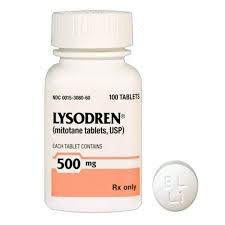
Mitotane is a drug used to treat adrenocortical carcinoma (Adrenocortical carcinoma, ACC) and other diseases. It has powerful anti-tumor effects, but may also cause some side effects. Special attention should be paid to the patient's physical condition when using mitotane, especially in certain groups, and its use should be cautious. The following are precautions when using mitotane and the patient groups in which it should be used with caution.
1. Patients with abnormal liver function: Mitotane is mainly metabolized by the liver, so patients with impaired liver function, especially those with cirrhosis or liver failure, need to be very careful when using mitotane. Liver insufficiency may cause drugs to accumulate in the body, which can increase drug toxicity and lead to an increased risk of adverse reactions. For these patients, liver function should be closely monitored while taking mitotane, and if liver function is abnormal, doctors may need to adjust the dose of the drug or consider other treatments.
2. Patients with renal insufficiency: Although the excretion of mitotane is mainly through the liver, patients with renal insufficiency also need to be careful when using this drug. In patients with reduced renal function, drug metabolism and excretion may be affected, leading to drug accumulation and adverse reactions. Therefore, before using mitotane, patients need to have their renal function evaluated. Patients with renal insufficiency need to use mitotane under the guidance of a doctor and have their renal function monitored regularly.
3. Patients with cardiovascular disease: Mitotane may affect the cardiovascular system, especially for patients who already have cardiovascular disease (such as hypertension, heart failure, etc.). This drug may cause blood pressure fluctuations, abnormal heart rate, or other heart problems. Therefore, when patients with cardiovascular disease take mitotane, their heart health should be monitored and their treatment plan adjusted accordingly. Especially for patients with a history of heart disease, mitotane needs to be used under the supervision of a professional doctor.
4. Pregnant and lactating women: Mitotane is potentially harmful to the fetus. Animal experiments show that mitotane may cause teratogenic effects in the fetus, therefore, pregnant women should avoid using this drug. Pregnant patients should stop taking the medication immediately and inform their doctor if pregnancy occurs during treatment. In addition, it is unknown whether mitotane is excreted in breast milk, so there may be a potential risk to the infant when mitotane is used during breastfeeding. Breastfeeding women should avoid using this drug or decide whether to stop breastfeeding under the guidance of a doctor.
5. Elderly patients: Elderly patients need to be cautious when using mitotane. Because older adults often have weaker organ function (e.g., liver, kidneys), they may have stronger reactions or adverse reactions to medications. In addition, elderly patients have more underlying diseases, which may affect the metabolism and excretion of mitotane. Therefore, elderly patients should use mitotane under the guidance of a doctor and require regular health monitoring.
6. Drug Interactions: Mitotane may interact with other drugs, especially those that are metabolized by the liver. Mitotane can affect the activity of some important enzymes (such as CYP450enzyme system), thereby interfering with the metabolism of other drugs, resulting in an increase or decrease in drug concentration. Therefore, during the use of mitotane, patients should inform their doctors about other drugs they are taking, especially anticoagulants, antiepileptic drugs, antibacterial drugs, etc., to avoid adverse drug interactions.
7. Regular monitoring: Since mitotane may cause some serious adverse reactions, regular health monitoring is required during use. This includes regular checks on things like liver function, kidney function, heart function, and blood pressure and blood sugar levels. Patients should follow the doctor's recommendations for regular follow-up visits to ensure that any problems that may arise during treatment are discovered and dealt with in a timely manner.
In short, mitotane, as a powerful anti-tumor drug, has significant efficacy in the treatment of adrenocortical cancer and other diseases, but it also comes with certain risks. Patients must use mitotane under the guidance of a doctor, especially those with underlying diseases, pregnancy or lactation. They must use the drug strictly in accordance with the doctor's instructions and conduct regular monitoring to ensure safe and effective treatment.
Reference materials:https://go.drugbank.com/drugs/DB00648
[ 免责声明 ] 本页面内容来自公开渠道(如FDA官网、Drugs官网、原研药厂官网等),仅供持有医疗专业资质的人员用于医学药学研究参考,不构成任何治疗建议或药品推荐。所涉药品可能未在中国大陆获批上市,不适用于中国境内销售和使用。如需治疗,请咨询正规医疗机构。本站不提供药品销售或代购服务。


