
.jpeg)
What are the side effects of mitotane? What adverse reactions may occur with long-term use?
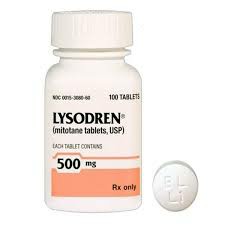
Mitotane is an anti-tumor drug used to treat adrenocortical cancer (ACC). It reduces hormone secretion levels by destroying adrenocortical cells, thereby inhibiting tumor growth. However, due to its widespread effects on the adrenal glands and other systems, mitotane may cause a variety of side effects, and long-term use may result in serious adverse reactions.
1. Digestive system adverse reactions: The most common side effects of mitotane are gastrointestinal reactions, and patients may experience symptoms such as nausea, vomiting, diarrhea, and loss of appetite. These discomforts are usually noticeable at the beginning of taking the medication and may worsen as the medication accumulates. Some patients may suffer from weight loss and malnutrition due to severe gastrointestinal symptoms. Therefore, it is necessary to pay attention to the patient's nutritional intake during long-term treatment. If necessary, medications or dietary adjustments can be taken to alleviate symptoms.
2. Adrenal function suppression and hormone imbalance: Since mitotane can destroy adrenocortical cells, long-term use can lead to adrenal insufficiency, manifested by symptoms such as hypotension, fatigue, hyponatremia, and hyperkalemia. Therefore, most patients require supplemental glucocorticoids (such as hydrocortisone) to maintain hormonal balance during mitotane treatment. In addition, some male patients may experience a decrease in testosterone levels, leading to decreased sexual function, while female patients may experience menstrual disorders.
3. Nervous system and cognitive function effects: Mitotane can affect the central nervous system. Some patients may experience symptoms such as dizziness, drowsiness, inattention, and cognitive decline. In severe cases, ataxia (unsteady movement), memory loss, or mood changes may even occur. These neurological side effects may gradually worsen after long-term use. Therefore, patients should avoid driving or operating dangerous machinery while taking the medicine, and inform their doctor in time when obvious neurological symptoms occur so that the dosage can be adjusted or other intervention measures can be taken.
4. Liver function damage and other systemic side effects: Mitotane may cause abnormal liver function, manifested as elevated liver enzymes (ALT, AST), jaundice or liver failure, so liver function needs to be monitored regularly. In addition, the drug may cause bone marrow suppression (low blood cells or platelets), skin allergies, muscle weakness and other adverse reactions. For patients who take it for a long time, doctors usually conduct regular blood tests and liver and kidney function assessments to ensure safe medication use.
In general, mitotane is an anti-tumor drug with strong efficacy but many side effects. Patients need to closely monitor various physiological indicators when taking it for a long time, and perform dose adjustment or symptomatic treatment under the guidance of a doctor to minimize the impact of adverse reactions on quality of life.
Reference materials:https://go.drugbank.com/drugs/DB00648
[ 免责声明 ] 本页面内容来自公开渠道(如FDA官网、Drugs官网、原研药厂官网等),仅供持有医疗专业资质的人员用于医学药学研究参考,不构成任何治疗建议或药品推荐。所涉药品可能未在中国大陆获批上市,不适用于中国境内销售和使用。如需治疗,请咨询正规医疗机构。本站不提供药品销售或代购服务。


