
.jpeg)
What are the effects of durvalumab (durvalumab) combined with osimertinib? What precautions should be taken when combining the two treatments?
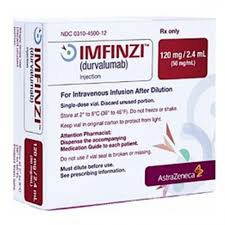
Durvalumab (Durvalumab) is a programmed death ligand-1 (PD-L1) monoclonal antibody body, and Osimertinib (Osimertinib) is a third-generation epidermal growth factor receptor tyrosine kinase inhibitor (EGFR-TKI). The mechanisms of action of the two are different, but in some patients with non-small cell lung cancer (NSCLC), combined use may bring certain therapeutic benefits. However, this combination regimen is still in the clinical research stage and requires careful evaluation of patient indications and strict monitoring of possible adverse reactions.
1. The efficacy of combined use of durvalumab and osimertinib
Dervalumab blocks the interaction between PD-L1 and PD-1, causing T< span> cells can recognize and kill cancer cells, and osimertinib targets EGFR mutations, especially T790M mutations, to inhibit the growth of tumor cells. The purpose of using the two together is to inhibit the EGFR signaling pathway while improving the body's immune system's ability to attack tumors.
There are currently some clinical studies exploring the effect of durvalumab and osimertinib in the treatment of EGFR mutated NSCLC patients. For example, in some studies, the combination has shown some improvement in efficacy, including extending progression-free survival (PFS) and improving overall survival (OS). However, not all patients are suitable for this combination therapy, especially patients with EGFR mutations who may face a higher risk of adverse reactions when receiving immunotherapy.
2. Precautions for combined treatment
Risk of immune-related adverse reactions
Immune checkpoint inhibitors (such as durvalumab) combined with TKI drugs (such as osimertinib) may lead to higher immune-related adverse reactions (irAEs). The most common adverse reactions include interstitial pneumonitis, rash, hepatic impairment, and thyroid dysfunction. Among them, pulmonary toxicity (such as interstitial pneumonia) is one of the most serious risks and can be life-threatening. Therefore, during combined medication, patients need to be closely monitored for pulmonary symptoms. If cough, shortness of breath, or difficulty breathing occurs, the medication should be discontinued immediately and therapeutic intervention should be performed.
Hepatotoxicity and liver function monitoring
Both osimertinib and durvalumab may affect liver function, so liver enzymes (ALT, AST) and bilirubin levels should be monitored regularly during combination therapy. If the patient develops liver function impairment, the dose should be reduced or the medication should be suspended as appropriate. Patients with severe hepatic impairment may require hormonal therapy or permanent discontinuation of immunotherapy.
Cardiotoxicity
Osimertinib may cause QT interval prolongation, and durvalumab may also cause immune-related myocarditis. Therefore, regular monitoring of electrocardiogram and cardiac function is required during combined use. If the patient develops heart palpitations, chest pain, or fainting, seek medical attention immediately.
patient choice
Currently, the combined use of durvalumab and osimertinib is still in the exploratory stage, and clinical trial results have not yet fully determined its optimal indications. Generally, this combination regimen may be more suitable for patients with EGFRmutated NSCLC patients with higher PD-L1 expression. In actual clinical practice, doctors will comprehensively consider the patient's genetic test results, PD-L1 expression level, and response to monotherapy before deciding whether to receive combined treatment.
The combination of durvalumab and osimertinib may provide a new treatment option for patients with EGFR mutationsNSCLC, but this regimen has not yet become a standard treatment and more clinical data are still needed to support it. Combination therapy may improve tumor suppression, but is also associated with a higher risk of adverse reactions, especially immune-related pneumonitis, hepatotoxicity, and cardiotoxicity. Therefore, when using this regimen, strict patient screening is required, and various physiological indicators of the patient are closely monitored during treatment to ensure safety and efficacy.
Reference materials:https://www.imfinzi.com/
[ 免责声明 ] 本页面内容来自公开渠道(如FDA官网、Drugs官网、原研药厂官网等),仅供持有医疗专业资质的人员用于医学药学研究参考,不构成任何治疗建议或药品推荐。所涉药品可能未在中国大陆获批上市,不适用于中国境内销售和使用。如需治疗,请咨询正规医疗机构。本站不提供药品销售或代购服务。


