
.jpeg)
Usage and dosage of adagrasib: How to use medicine scientifically to improve efficacy
Adagrasib is a highly selective KRAS G12C inhibitor approved by the FDA for the treatment of adult patients with KRAS G12C mutations in advanced or metastatic non-small cell lung cancer (NSCLC) and locally advanced or metastatic colorectal cancer (CRC). KRAS G12C mutation is an important gene mutation that drives the growth of cancer cells, and adagrasib irreversibly binds to the KRAS G12C mutant protein and blocks its signaling, thereby inhibiting tumor growth. As a targeted therapy drug, scientific and rational use of the drug is crucial to maximize efficacy and reduce side effects.
The recommended dose of adagrasiib is 600 mg orally twice daily until disease progression or unacceptable toxicity. This medicine should be swallowed whole and should not be chewed, crushed or broken to avoid affecting the release and absorption of the medicine. The medication time should be maintained regularly, preferably at the same time every day to ensure stable blood concentration.
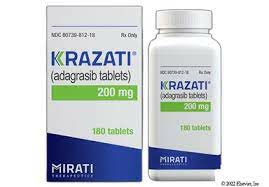
Adagrasiib can be taken with or without food, but if gastrointestinal discomfort, such as nausea or vomiting, occurs, it is recommended to take it with food to improve tolerance. If the patient vomits after taking the medicine, it is not recommended to take it immediately. Instead, the patient should wait for the next normal medication time to avoid the toxic side effects caused by excessive blood concentration.
Common adverse reactions of adagrasib include diarrhea, nausea, vomiting, fatigue, decreased appetite, and elevated liver enzymes. Some patients may experience prolongation of the QT interval, which may affect cardiac function. Therefore, it is recommended to regularly monitor electrocardiogram and liver function indicators while taking the drug. If a patient experiences severe toxicity, the doctor may adjust the dose, such as reducing it to 400 mg twice daily, or further reducing it to 200 mg twice daily. If the patient cannot tolerate even the lowest dose, the drug may need to be discontinued.
For patients being treated with adagrasiib, regular imaging and genetic testing are key to assessing response. If the tumor continues to shrink or stabilize, it means that the treatment is effective and you can continue to take it. However, if the disease progresses or new resistance mutations emerge, treatment strategies may need to be adjusted, such as combining other targeted drugs or immunotherapy, to overcome the resistance problem.
Reference materials:https://www.krazati.com/
[ 免责声明 ] 本页面内容来自公开渠道(如FDA官网、Drugs官网、原研药厂官网等),仅供持有医疗专业资质的人员用于医学药学研究参考,不构成任何治疗建议或药品推荐。所涉药品可能未在中国大陆获批上市,不适用于中国境内销售和使用。如需治疗,请咨询正规医疗机构。本站不提供药品销售或代购服务。


