
.jpeg)
Will discontinuation of linezolid lead to drug resistance? How to prevent bacteria from developing drug resistance after long-term use?
Linezolid (Linezolid) is an antibiotic commonly used to treat drug-resistant bacterial infections, especially against Gram-positive bacteria such as Staphylococcus aureus (MRSA) and drug-resistant Streptococcus pneumoniae. However, long-term or inappropriate use of linezolid may increase the risk of bacterial resistance. Therefore, when using this drug, it is important to understand how to prevent resistance and the risks associated with discontinuing the drug.
1. Risk of linezolid resistance
Although linezolid is highly effective in treating certain drug-resistant bacterial infections, bacterial resistance to this drug has been reported, and resistance may develop over time, especially with long-term or inappropriate use. Drug resistance develops when bacteria adapt to drug pressure, changing their genomes, or by acquiring new genes. During the use of linezolid, some drug-resistant strains may gradually become resistant to the drug through mutation or horizontal gene transfer, resulting in a decrease in the efficacy of the drug. This resistance is especially evident when the drug dose is insufficient, the course of treatment is too short, or it is used repeatedly during treatment.
2. Preventive measures for drug resistance after long-term use
In order to reduce the occurrence of drug resistance, rational use of linezolid is crucial. First, patients should use the drug strictly according to the doctor's instructions and avoid stopping the drug or changing the dose on their own. During the treatment process, if the patient feels that the symptoms are relieved, he should not stop taking the medicine easily, but should complete the entire course of treatment to ensure that all bacteria are completely eliminated to prevent drug-resistant strains from surviving and multiplying. Additionally, avoiding unnecessary antibiotic use is key to preventing drug resistance. For non-bacterial infections, or some mild bacterial infections, avoiding the use of antibiotics can reduce the selection of drug-resistant strains.
Second, monitoring the development of resistance is an effective strategy. For patients taking linezolid for a long time, doctors should regularly check whether the infecting bacteria are resistant. If the presence of drug-resistant strains is found, the treatment plan should be adjusted promptly to avoid further expansion of drug-resistant bacteria. Timely replacement of drugs and combined use of antibiotics with different mechanisms can help prevent the development of drug resistance. For common clinical drug resistance, doctors can choose the most appropriate antibiotic for treatment based on bacterial culture and drug susceptibility test results.
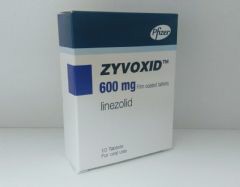
3. Linezolid discontinuation management
When discontinuing the drug, patients and doctors should jointly pay attention to the problem of bacterial resistance after the drug is discontinued. If the patient stops taking the drug early due to improvement in symptoms and the source of infection is not completely eliminated, bacteria may remain and develop drug resistance. In addition, if the patient does not take the drug on time, some bacteria will be exposed to lower drug concentrations, increasing the risk of drug resistance. Therefore, it is important to complete your course of treatment and take your medication on time.
Observation after discontinuation of medication cannot be ignored either. Although the emergence of drug-resistant strains is not necessarily directly related to discontinuation of medication, patients should continue to monitor closely for signs of recurrence of infection after discontinuation of medication. If the infection recurs, it is necessary to return to the hospital as soon as possible and conduct further testing through bacterial culture to avoid the reduction of treatment effect due to the proliferation of drug-resistant strains.
4. Overall strategy for rational use of antibiotics
In addition to the individual use of linezolid, a rational antibiotic use strategy is also crucial. Globally, the misuse of antibiotics has become one of the important causes of rising drug resistance. Medical institutions, doctors, and patients themselves need to work together to ensure that antibiotics are used only when necessary and that appropriate medication regimens are adopted. Hospitals and clinics should strictly implement antibiotic stewardship plans, including the routine use of bacterial culture and susceptibility testing, to help doctors choose the most appropriate antibiotics. In addition, the public should increase their awareness of the dangers of antibiotic abuse and drug resistance, enhance their awareness of rational drug use, and avoid purchasing and using antibiotics on their own.
In short, linezolid is an important drug in the treatment of drug-resistant bacterial infections, and its drug resistance problem cannot be ignored. Through measures such as rational use, regular monitoring, correct discontinuation of drugs, and strengthening antibiotic management, we can effectively prevent the emergence of drug-resistant bacteria and ensure that the efficacy of linezolid and other antibiotic drugs can be maintained for a long time.
Reference materials:https://go.drugbank.com/drugs/DB00601
[ 免责声明 ] 本页面内容来自公开渠道(如FDA官网、Drugs官网、原研药厂官网等),仅供持有医疗专业资质的人员用于医学药学研究参考,不构成任何治疗建议或药品推荐。所涉药品可能未在中国大陆获批上市,不适用于中国境内销售和使用。如需治疗,请咨询正规医疗机构。本站不提供药品销售或代购服务。


