
.jpeg)
What is the dosage of durvalumab (durvalumab) in the treatment of small cell lung cancer? How is the dose of this drug adjusted according to the condition?
Durvalumab is an immune checkpoint inhibitor that belongs to the PD-L1 inhibitor class and is used to treat a variety of cancers, including small cell lung cancer (SCLC). By blocking the combination of PD-L1 and PD-1, durvalumab restores the immune activity of T cells and enhances the immune system's recognition and attack of tumors. For patients with small cell lung cancer, the use of durvalumab has been shown to significantly improve patient outcomes, especially when combined with chemotherapy.
Dosage of durvalumab in small cell lung cancer
According to current clinical guidelines, durvalumab is commonly used as maintenance therapy after chemotherapy in the treatment of small cell lung cancer. The standard dosage is 10 mg/kg as an intravenous infusion once every two weeks. The specific dosage needs to be adjusted appropriately based on the patient's physical condition, treatment response, and the occurrence of adverse reactions. At the beginning of treatment, the dose of durvalumab is usually fixed, but during the maintenance treatment phase, doctors will decide whether to continue treatment and adjust the treatment interval based on the patient's condition.
Adjust dosage according to condition
The dose of durvalumab can be adjusted based on the patient's clinical response and adverse effects. If patients do not experience significant immune-related side effects during treatment and their disease is well controlled, they are usually treated at standard doses. However, if patients experience more serious immune-related side effects, such as pneumonia, hepatitis, enteritis, etc., the dose may need to be suspended or reduced. In these cases, doctors will evaluate the patient's specific situation and may adjust the dosage regimen or even temporarily discontinue the medication in some cases until side effects are effectively controlled.
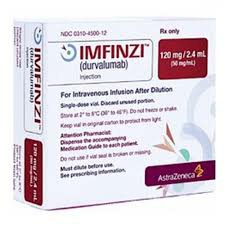
Monitoring for immune-related side effects
When durvalumab is used to treat small cell lung cancer, patients need to be closely monitored for possible immune-related side effects. Common side effects include rash, fatigue, loss of appetite, shortness of breath, etc. More serious side effects may include immune pneumonia, immune hepatitis, immune enteritis, etc. These reactions may require corresponding treatment measures according to the severity. For example, if immune pneumonitis occurs, treatment with corticosteroids may be necessary and durvalumab use may be withheld until symptoms improve. Other immune responses, such as liver dysfunction or endocrine disorders, also require individualized treatment based on clinical manifestations.
Long-term treatment and follow-up
Treatment with durvalumab in small cell lung cancer is usually long-term and patients require regular follow-up and evaluation. During the treatment process, the doctor will decide whether to continue taking the medication based on the patient's tumor response and physical condition. If a patient develops drug resistance or disease progression while receiving durvalumab, treatment may need to be adjusted based on new treatment guidelines. While patients are taking durvalumab, they also need to undergo regular imaging examinations, blood tests, etc. to detect and deal with potential side effects in a timely manner.
As an immunotherapy drug, durvalumab has shown good results in the treatment of small cell lung cancer. When used in combination with chemotherapy, durvalumab can slow disease progression and improve patient survival. Reasonable dosage and adjustment according to the condition are the keys to ensuring its efficacy and reducing side effects. During use, close communication and monitoring between patients and doctors are crucial to help maximize the therapeutic effect of the drug and reduce the occurrence of adverse reactions.
Reference materials:https://www.imfinzi.com/
[ 免责声明 ] 本页面内容来自公开渠道(如FDA官网、Drugs官网、原研药厂官网等),仅供持有医疗专业资质的人员用于医学药学研究参考,不构成任何治疗建议或药品推荐。所涉药品可能未在中国大陆获批上市,不适用于中国境内销售和使用。如需治疗,请咨询正规医疗机构。本站不提供药品销售或代购服务。


