
.jpeg)
How long should I take linezolid before stopping? How to determine the withdrawal time during use?
Linezolid is a broad-spectrum antibiotic commonly used to treat infections caused by Gram-positive bacteria, especially highly drug-resistant strains such as methicillin-resistant Staphylococcus aureus (MRSA) and vancomycin-resistant enterococci (VRE). When treating with linezolid, the length of time the drug should be taken should be determined based on the type of infection, severity of the condition, and response to treatment. Here are some key considerations for when the drug should be stopped.
Physicians need to consider resistance issues when using linezolid. Premature discontinuation of treatment may cause some bacteria to survive and develop drug resistance, making future treatments more difficult. Therefore, the timing of discontinuation of linezolid requires careful decision-making, especially in patients with severe infections or those caused by multidrug-resistant organisms. If the drug is stopped too early, the infection may return or treatment may fail.
After stopping the drug, patients need to continue to be monitored for recurrence of infection or the emergence of complications. Doctors will usually follow up with the patient and assess whether additional antibiotic support is needed based on the patient's recovery. For some patients with low immune function or other diseases, doctors may extend the treatment time or recommend other auxiliary treatment options. In summary, the decision to discontinue medication should be made by a professional physician and based on the patient's specific clinical situation.
In general, the discontinuation time of linezolid should strictly follow the doctor's guidance to ensure complete cure of the infection and avoid the development of drug resistance.
The standard course of treatment with linezolid is usually 10 to 14 days, depending on the type and severity of the infection. For mild or moderate infections, a 10-day course of treatment is usually recommended, while for severe infections, longer treatment may be required, up to 28 days. Physicians will adjust the treatment time based on the patient's clinical symptoms and infection control status. Therefore, patients should not decide on their own when to stop taking the medication and must follow their doctor's recommendations for treatment.
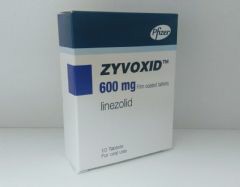
Physicians need to consider resistance issues when using linezolid. Premature discontinuation of treatment may cause some bacteria to survive and develop drug resistance, making future treatments more difficult. Therefore, the timing of discontinuation of linezolid requires careful decision-making, especially in patients with severe infections or those caused by multidrug-resistant organisms. If the drug is stopped too early, the infection may return or treatment may fail.
After stopping the drug, patients need to continue to be monitored for recurrence of infection or the emergence of complications. Doctors will usually follow up with the patient and assess whether additional antibiotic support is needed based on the patient's recovery. For some patients with low immune function or other diseases, doctors may extend the treatment time or recommend other auxiliary treatment options. In summary, the decision to discontinue medication should be made by a professional physician and based on the patient's specific clinical situation.
In general, the discontinuation time of linezolid should strictly follow the doctor's guidance to ensure complete cure of the infection and avoid the development of drug resistance.
[ 免责声明 ] 本页面内容来自公开渠道(如FDA官网、Drugs官网、原研药厂官网等),仅供持有医疗专业资质的人员用于医学药学研究参考,不构成任何治疗建议或药品推荐。所涉药品可能未在中国大陆获批上市,不适用于中国境内销售和使用。如需治疗,请咨询正规医疗机构。本站不提供药品销售或代购服务。


