
.jpeg)
What are the indications for erlotinib? Are there any special suggestions for patients with different conditions?
Erlotinib is a targeted drug mainly used to treat certain types of cancer, especially non-small cell lung cancer (NSCLC) and pancreatic cancer. For non-small cell lung cancer, erlotinib is commonly used to treat patients with advanced or metastatic non-small cell lung cancer who are positive for EGFR gene mutations. It blocks the proliferation and spread of cancer cells by inhibiting the activity of EGFR (epidermal growth factor receptor). For pancreatic cancer, erlotinib is often used in combination with chemotherapy drugs to treat patients with inoperable locally advanced or metastatic pancreatic cancer.
For patients with non-small cell lung cancer, especially those with positive EGFR gene mutations, erlotinib is often used as a first-line treatment. However, before taking erlotinib, patients need to undergo genetic testing to ensure that the EGFR gene mutation is positive, so that the treatment effect will be better. For these patients, it is necessary to regularly monitor changes in lung imaging during medication and pay attention to adverse reactions, especially common side effects such as rash, diarrhea, and abnormal liver function.
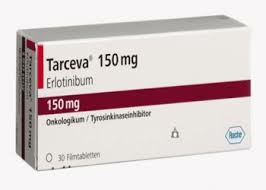
For patients with pancreatic cancer, erlotinib is usually used in combination with chemotherapy drugs, such as gemcitabine (Gemcitabine). This combination therapy can improve the treatment effect of pancreatic cancer and improve patient survival. When taking erlotinib, patients need to pay attention to the possible digestive system side effects caused by the drug, such as diarrhea, loss of appetite, etc. Therefore, they should pay attention to maintaining good nutritional status during treatment and reasonably adjust their diet according to the doctor's recommendations.
In addition, caution should be exercised when using erlotinib in all patients, especially elderly patients or those with underlying medical conditions. Erlotinib may cause serious side effects, such as liver damage, lung disease (interstitial lung disease), etc. Therefore, patients need to regularly check liver function, lung function and other related indicators under the guidance of a doctor, and promptly report any symptoms of discomfort, such as cough, shortness of breath, etc. Patients with cardiovascular disease or other high-risk factors should also be evaluated and monitored accordingly while taking erlotinib.
xa0
[ 免责声明 ] 本页面内容来自公开渠道(如FDA官网、Drugs官网、原研药厂官网等),仅供持有医疗专业资质的人员用于医学药学研究参考,不构成任何治疗建议或药品推荐。所涉药品可能未在中国大陆获批上市,不适用于中国境内销售和使用。如需治疗,请咨询正规医疗机构。本站不提供药品销售或代购服务。


