
.jpeg)
Guidelines for safe dosage and usage of carbidopa/levodopa extended-release capsules
Carbidopa/levodopa extended-release capsules (carbidopa and levodopa) are a combination drug used to treat Parkinson's disease and related symptoms. Parkinson's disease is a chronic neurological disease characterized by movement dysfunction such as tremor, muscle stiffness and bradykinesia. The combination of carbidopa and levodopa can effectively relieve these symptoms and improve patients' quality of life. In addition, the drug may also be used to treat Parkinson's syndrome caused by carbon monoxide poisoning or manganese poisoning.
The usual recommended initial dose is one tablet (carbidopa25 mg/levodopa100 mg) once daily with a meal to reduce gastrointestinal discomfort. For patients who have not received levodopa treatment, it is recommended to start with a lower dose and gradually adjust according to the condition. The dose may be gradually increased based on patient tolerance and efficacy, but the total daily dose should not exceed carbidopa200 mg/levodopa800 mg. Dosage adjustments must be made under the guidance of a doctor, and avoid sudden discontinuation of medication or significant increases in dosage to avoid adverse reactions. Elderly patients or those with liver and kidney dysfunction should use it with caution. It is recommended to start with a lower dose and closely monitor drug reactions. Pregnant women, lactating women and children should consult a doctor before use to assess potential risks.
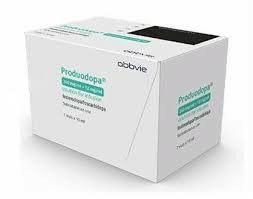
Carbidopa/L-dopa sustained-release capsules can effectively improve the motor function of patients with Parkinson's disease by replenishing dopamine levels in the brain. Its sustained-release dosage form can provide a more stable blood concentration and reduce the occurrence of "switching phenomenon" (symptoms fluctuate between remission and exacerbation). Clinical studies have shown that the drug can significantly reduce symptoms such as tremor, stiffness and bradykinesia, and improve patients' daily activities and quality of life.
Common adverse reactions include nausea, vomiting, dizziness and insomnia, which usually appear at the beginning of medication and gradually reduce as the body adapts. Serious adverse reactions such as arrhythmia and psychiatric symptoms (such as hallucinations) require immediate discontinuation of medication and medical treatment. At the same timeAvoid simultaneous use with monoamine oxidase inhibitors (MAOIs) to avoid causing hypertensive crisis. In addition, antipsychotic drugs may reduce the efficacy of levodopa and should be used with caution. Long-term use may also lead to a decrease in efficacy or the occurrence of movement disorders (such as dyskinesia), requiring regular follow-up visits and adjustments to the treatment plan.
Reference link: https://www.accessdata.fda.gov/drugsatfda_docs/label/2024/217186s000lbl.pdf
[ 免责声明 ] 本页面内容来自公开渠道(如FDA官网、Drugs官网、原研药厂官网等),仅供持有医疗专业资质的人员用于医学药学研究参考,不构成任何治疗建议或药品推荐。所涉药品可能未在中国大陆获批上市,不适用于中国境内销售和使用。如需治疗,请咨询正规医疗机构。本站不提供药品销售或代购服务。


