
.jpeg)
Use of everuximab in homozygous familial hypercholesterolemia
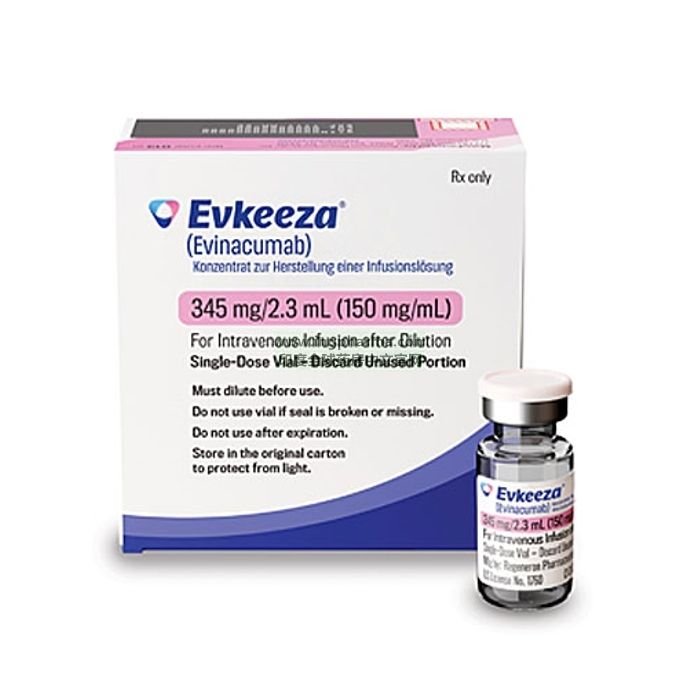
Homozygous familial hypercholesterolemia (HoFH) is an extremely rare genetic disease characterized by patients inheriting a mutated low-density lipoprotein (LDL) receptor gene from each parent, resulting in severe impairment or loss of LDL receptor function in the body. This genetic defect causes abnormally high levels of LDL-C (low-density lipoprotein cholesterol) in patients' blood, often exceeding 400 mg/dL, greatly increasing the risk of cardiovascular disease. Evinacumab (Evinacumab), as an innovative therapeutic drug, brings new treatment hope to HoFH patients.
Ivezumab is a fully human anti-ANGPTL3 (angiopoietin-like protein3) monoclonal antibody. ANGPTL3 is a protein that plays a key role in lipid metabolism. It can regulate fat metabolism and affect LDL-C levels. Ivezumab inhibits lipoprotein lipase (LPL) by specifically binding to and blocking the function of ANGPTL3 and hepatic lipase (HL) activity, reducing the accumulation of triglycerides and cholesterol in plasma, thereby reducing LDL-C levels.
Multiple clinical trials have confirmed the significant efficacy of everuximab in the treatment of HoFH. For example, in a double-blind, placebo-controlled Phase 3 clinical trial (ELIPSE HoFH study), 65 HoFH patients who were receiving stable lipid-lowering therapy were randomly assigned to the evisumab group (intravenous infusion every 415 weeks) mg/kg) or placebo group. The results showed that after 24 weeks of treatment, the LDL-C levels of patients in the everumab group decreased by 47.1% compared with baseline, while those in the placebo group increased by 1.9%. This result shows that everevuximab can significantly reduce the level of LDL-C in HoFH patients, and the efficacy is significantly better than placebo.
In addition, the study also found that everumab can not only reduce LDL-C levels, but also improve patients' blood lipid metabolism and reduce the incidence of atherosclerosis and other diseases. This is undoubtedly an important treatment development for HoFH patients.
The recommended dose of evesumumab is 15mg/kg administered once monthly (every 4weeks) by intravenous infusion over 60 minutes. For patients who miss a dose, refill it as soon as possible and schedule monthly injections starting from the date of the last dose. This method of administration is relatively simple and allows patients to receive the infusion in a hospital or clinic without the need for a long stay.
It is worth noting that as the research on everevuximab deepens, its dosage and administration method may be individually adjusted according to the specific conditions of the patient. For example, for patients whose LDL-C levels continue to rise, doctors may consider increasing the dosage or shortening the dosage interval; for patients who experience severe adverse reactions, they may need to reduce the dosage or temporarily discontinue the medication.
Everestumab demonstrated good safety and tolerability in clinical trials. Most patients tolerated treatment with the drug, and no serious adverse events were observed. However, individual patients may experience some minor side effects, such as injection site reactions, cold-like symptoms, dizziness, limb pain, nausea, etc. These side effects are usually short-lived and manageable, but if symptoms persist or worsen, patients should inform their doctor promptly.
In addition, everevizumab may cause severe allergic reactions such as swelling, difficulty breathing, dizziness, or hives. Therefore, before using everevuximab, doctors should conduct a comprehensive assessment of the patient, including allergy history, liver and kidney function, etc., to ensure the safe use of the drug.
Reference materials:https://www.drugs.com/mtm/evinacumab.html
xa0
[ 免责声明 ] 本页面内容来自公开渠道(如FDA官网、Drugs官网、原研药厂官网等),仅供持有医疗专业资质的人员用于医学药学研究参考,不构成任何治疗建议或药品推荐。所涉药品可能未在中国大陆获批上市,不适用于中国境内销售和使用。如需治疗,请咨询正规医疗机构。本站不提供药品销售或代购服务。


