
.jpeg)
Introduction to Ivesumumab: A powerful tool for refractory hypercholesterolemia
Evinacumab is an innovative biological agent that is a humanized anti-ANGPTL3 (angiopoietin-like protein 3) monoclonal antibody (IgG4 antibody). ANGPTL3 is a protein that plays a key role in lipid metabolism. It affects the clearance of triglycerides and cholesterol in plasma by inhibiting the activity of lipoprotein lipase (LPL). Ivezumab regulates lipid metabolism and reduces low-density lipoprotein cholesterol (LDL-C) levels in the blood by specifically binding to and blocking the function of ANGPTL3.
Evesumumab is indicated primarily for the treatment of refractory hypercholesterolemia, particularly in patients with persistently elevated LDL-C levels despite receiving maximum tolerated doses of statins and other lipid-lowering therapies. Due to genetic factors or metabolic abnormalities, these patients have abnormally elevated levels of LDL-C in their bodies, significantly increasing the risk of cardiovascular disease. The emergence of everevuximab provides new treatment options for such patients, helping them more effectively control LDL-C levels and reduce the risk of cardiovascular disease.
Ivezumab has a unique mechanism of action in that it does not rely on the LDL receptor pathway to reduce LDL-C levels. Instead, it accelerates the clearance of triglycerides and cholesterol in plasma by directly blocking the function of ANGPTL3 and promoting the activity of lipoprotein lipase (LPL). In addition, everizumab can also increase high-density lipoprotein cholesterol (HDL-C) levels and further improve lipid metabolism.
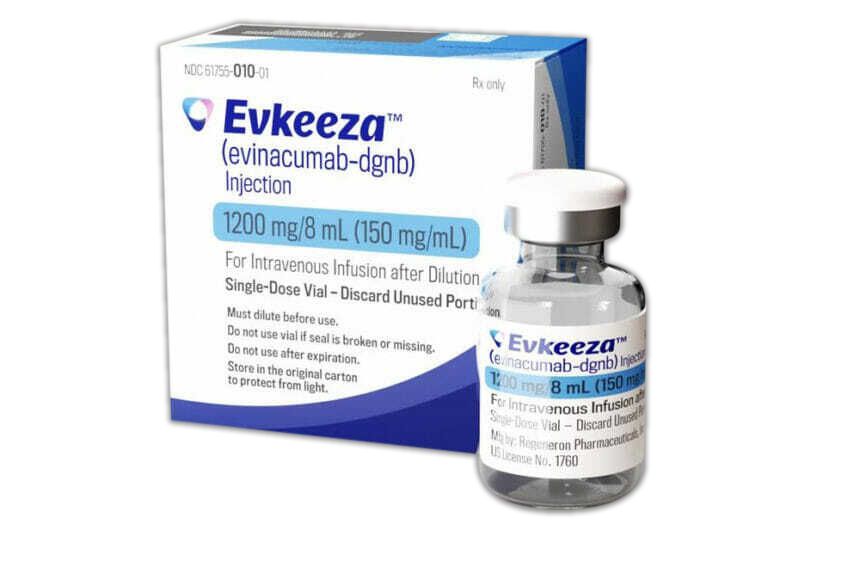
Multiple clinical trials have confirmed the significant efficacy of everumab in the treatment of refractory hypercholesterolemia. For example, in a double-blind, placebo-controlled Phase 2 clinical trial, investigators enrolled patients with refractory hypercholesterolemia and randomly assigned them to receive either subcutaneous or intravenous evisumab or placebo. The results showed that patients treated with everumab had a significant reduction in LDL-C levels, up to 50%above. In addition, evesumumab also improved other lipid parameters such as total cholesterol, triglycerides, and HDL cholesterol levels.
Everestumab demonstrated good safety and tolerability in clinical trials. Most patients tolerated treatment with everumab without serious adverse effects. Common adverse reactions include injection site reactions, cold-like symptoms, dizziness, nausea, etc. These reactions are usually mild and controllable. However, a very small number of patients may experience severe allergic reactions, so doctors need to conduct a thorough evaluation of the patient and ensure that the patient has no history of allergies before using everevuximab.
Ivesumumab is usually administered by subcutaneous injection or intravenous injection, and the specific dosage and frequency of administration should be determined based on the patient's specific condition and the recommendations of the physician.
During the use of everuximab, doctors need to regularly monitor the patient's blood lipid levels and other related indicators to evaluate the efficacy and safety of the treatment.
Patients should pay close attention to their own reactions while taking evesumumab, and communicate with their doctor in time if they experience any discomfort or abnormal symptoms. In addition, patients should follow the doctor's advice and maintain good lifestyle and dietary habits.
Reference materials:https://www.drugs.com/mtm/evinacumab.html
xa0
[ 免责声明 ] 本页面内容来自公开渠道(如FDA官网、Drugs官网、原研药厂官网等),仅供持有医疗专业资质的人员用于医学药学研究参考,不构成任何治疗建议或药品推荐。所涉药品可能未在中国大陆获批上市,不适用于中国境内销售和使用。如需治疗,请咨询正规医疗机构。本站不提供药品销售或代购服务。


