
.jpeg)
Use azatilizumab with caution and know all the precautions
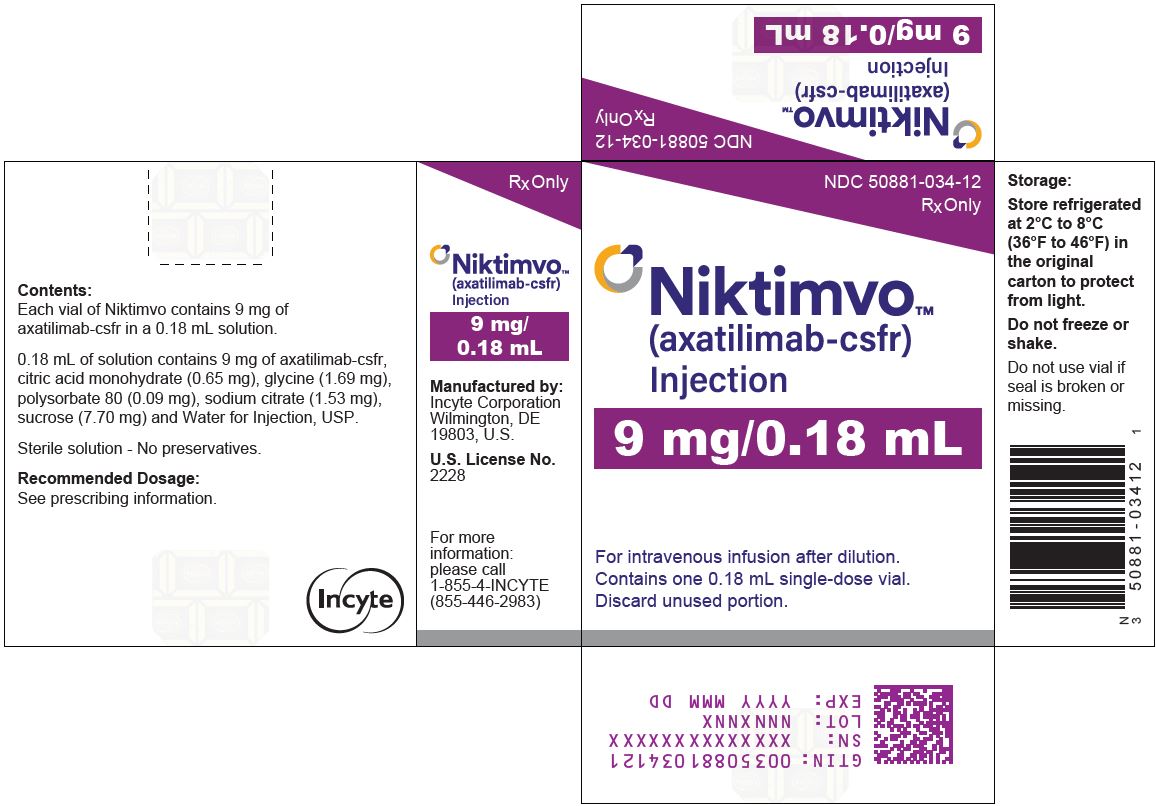
Azatilimab (axatilimab-csfr, trade name NIKTIMVO™) is a drug specifically designed to treat chronic graft-versus-host disease (cGVHD ), the drug is suitable for adult and pediatric patients weighing at least 40kg (88.2lbs) who have failed to respond to at least two systemic treatments and are in urgent need of new treatment approaches. cGVHDAs a serious complication after bone marrow or stem cell transplantation, the treatment process requires extreme caution. Although azatilizumab has shown significant efficacy in the treatment of cGVHD, it is important to note the following key considerations when using it.
Azatilizumab, as a monoclonal antibody, is unique in its ability to bind and block colony-stimulating factors on immune system cells (such as monocytes and macrophages)1
First, be wary of infusion-related reactions. When using azatilizumab as an intravenous infusion, patients may experience infusion-related reactions such as fever, chills, rash, flushing, shortness of breath, difficulty breathing, nausea, vomiting, or symptoms of hypertension (such as chest pain, headache, or blurred vision). Your healthcare provider should be informed immediately if these symptoms occur, and depending on the severity of the reaction, treatment may need to be interrupted, slowed, or permanently stopped.
Secondly, embryonic-fetal toxicity is a problem that cannot be ignored. Azatilizumab may cause harm to the fetus; therefore, women of childbearing potential should take a pregnancy test before use and use effective contraception during treatment and for 30 days after the last dose. If a patient becomes pregnant during treatment or suspects that she is pregnant, she should communicate with her health care provider immediately.
In addition, lactating women should also use it with caution. It is unknown whether azatilizumab passes into breast milk; therefore, patients should stop breastfeeding during treatment and for 30 days after the last dose.
Before using azatilizumab, patients should also tell their healthcare provider in detail about their medical conditions, especially liver problems or related history. Because azatilizumab may affect liver function, the medical team will perform regular blood tests to monitor the patient's liver function and other potential side effects.
In summary, azatilizumab has important clinical value in the treatment of cGVHD, but its use must strictly follow the guidance of a healthcare provider. Patients should pay special attention to preventing infusion-related reactions, managing fetal toxicity, and monitoring liver function, and maintain close communication with the medical team to ensure the safety and effectiveness of treatment.
Reference link:https://www.drugs.com/niktimvo.html
[ 免责声明 ] 本页面内容来自公开渠道(如FDA官网、Drugs官网、原研药厂官网等),仅供持有医疗专业资质的人员用于医学药学研究参考,不构成任何治疗建议或药品推荐。所涉药品可能未在中国大陆获批上市,不适用于中国境内销售和使用。如需治疗,请咨询正规医疗机构。本站不提供药品销售或代购服务。


