
.jpeg)
Azatilimab (axatilimab-csfr) is a new breakthrough in the treatment of cGVHD with significant efficacy
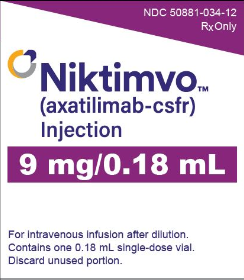
On 20248month14, the U.S. Food and Drug Administration (FDA) officially approvedaxatilimab (axatilimab-csfr) as a colony-stimulating factor-1 receptor (CSF-1R) blocking antibody for the treatment of adult and pediatric patients with chronic graft-versus-host disease (cGVHD) weighing at least 40kg. This approval brings hope to patients with cGVHD in urgent need of new treatment options after failure of at least two prior systemic therapies.
The approval of azatilizumab was based on the excellent results of theAGAVE-201 clinical trial. This is a randomized, open-label, multicenter clinical trial designed to evaluate the efficacy and safety of azatilizumab in patients with relapsed or refractory cGVHD. In the trial, the researchers conducted an in-depth study of three different doses of azatilizumab.
The primary efficacy endpoint of the trial is the overall response rate (ORR), which is the proportion of patients with complete or partial response, which is determined based on the 2014 NIH response criteria. The results showed that after receiving the recommended dose (0.3mg/kg, not exceeding 35mg)79 Among patients, ORR was as high as 75% (95% confidence interval: 64, 84), fully demonstrating the significant anti-tumor activity of azatilizumab.
Even more exciting is that the median time to first response was only 1.5 months (range: 0.9 to 5.1 months), and the median duration of response also reached 1.9 months (95%Confidence interval: 1.6, 3.5). Additionally, 60% of patients who responded did not experience disease progression or require new systemic therapy for at least 12 months after remission, further supporting the long-term efficacy of azatilizumab.
In terms of safety, azatilizumab also showed a controllable side effect profile. Common adverse reactions (≥15%) include laboratory abnormalities and clinical symptoms. In terms of laboratory abnormalities, the most common ones include increased aspartate aminotransferase (AST), increased alanine aminotransferase (ALT), decreased phosphate, decreased hemoglobin, etc. Clinical symptoms include infection, viral infection, musculoskeletal pain, fatigue, nausea, headache, diarrhea, cough, bacterial infection, fever and dyspnea.
The recommended dosage of azatilizumab is as a 30 minute intravenous infusion once every 2 weeks at a dose of
In summary, azatilizumab has demonstrated significant efficacy and controllable safety in the treatment of relapsed or refractory cGVHD. The advent of this new treatment option undoubtedly brings new hope and treatment paths to patients suffering from cGVHD.
xa0
Reference link:https://www.fda.gov/drugs/resources-information-approved-drugs/fda-approves-axatilimab-csfr-chronic-graft-versus-host-disease
[ 免责声明 ] 本页面内容来自公开渠道(如FDA官网、Drugs官网、原研药厂官网等),仅供持有医疗专业资质的人员用于医学药学研究参考,不构成任何治疗建议或药品推荐。所涉药品可能未在中国大陆获批上市,不适用于中国境内销售和使用。如需治疗,请咨询正规医疗机构。本站不提供药品销售或代购服务。


