
.jpeg)
Azatizumab has significant efficacy but needs to be wary of side effects
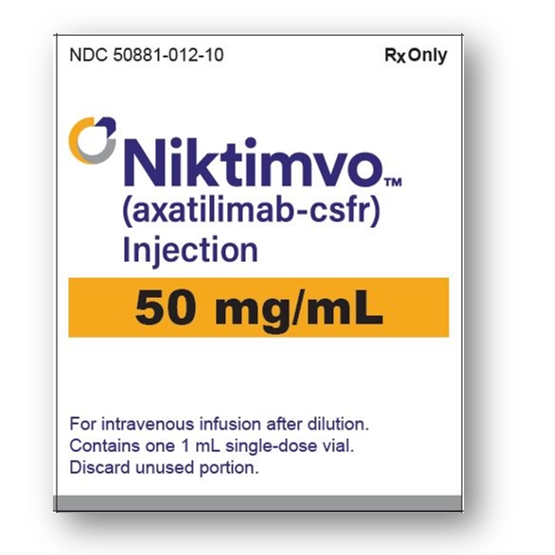
Azatilimab (axatilimab-csfr, brand nameNiktimvo™) is a drug designed to treat patients of at least < Prescription drug designed to treat adults and children with chronic graft-versus-host disease (cGVHD) span>40kg (88.2lbs). For those patients who have failed to respond to at least two systemic treatments, azatilizumab is undoubtedly a new treatment hope. However, despite its excellent performance in treating cGVHD, its accompanying side effects cannot be ignored.
According to data from the AGAVE-201 clinical trial (NCT04710576), the use of azatilizumab may be associated with a range of clinical symptoms and laboratory abnormalities. In terms of clinical symptoms, the most common ones include muscle and joint pain (accounting for 35%), tiredness or fatigue (accounting for 32%), and unexplained infection (accounting for pan>57%), nausea (accounting for 23%), headache (accounting for 20%), diarrhea (accounting for pan>18%), cough (accounting for 18%), bacterial infection (accounting for 43%), viral infection ( 15%), fever (15%) and dyspnea (15%). The occurrence of these symptoms may have a certain impact on the patient's daily life.
In addition to clinical symptoms, laboratory abnormalities are also issues that require attention when using azatilizumab. Common laboratory abnormalities include elevated aspartate aminotransferase (AST) and alanine aminotransferase (ALT), decreased phosphate, decreased hemoglobin, and gamma-glutamyltransferase (GGT), lipase, amylase, calcium, creatine phosphokinase (CPK) and alkaline phosphatase (ALP) rises. These abnormalities may reflect drug effects on the liver, blood system, and other organ systems.
In addition, a subset of patients (10%or less) may experience clinically relevant side effects, such as eye disorders (such as swelling around the eyes), skin and subcutaneous tissue disorders (such as itchy skin), and vascular disorders (such as high blood pressure). Although the incidence of these side effects is relatively low, patients still need to remain vigilant.
Of particular note, azatilizumab may also cause serious infusion-related reactions. These reactions may manifest as fever, chills, rash, flushing, shortness of breath, difficulty breathing, nausea, vomiting, or symptoms of high blood pressure (such as chest pain, headache, or blurred vision). Therefore, during treatment, medical staff need to closely monitor the patient's response and may temporarily or permanently stop treatment if necessary.
Overall, while azatilizumab provides a new treatment option for cGVHD patients, it also brings a series of side effects that require close attention. Patients should maintain close communication with the medical team during use and promptly report any symptoms of discomfort to ensure the safety and effectiveness of treatment. For any questions or concerns about azatilizumab, patients are advised to consult their primary care physician for more detailed information and guidance.
Reference link:https://www.drugs.com/niktimvo.html
[ 免责声明 ] 本页面内容来自公开渠道(如FDA官网、Drugs官网、原研药厂官网等),仅供持有医疗专业资质的人员用于医学药学研究参考,不构成任何治疗建议或药品推荐。所涉药品可能未在中国大陆获批上市,不适用于中国境内销售和使用。如需治疗,请咨询正规医疗机构。本站不提供药品销售或代购服务。


