
.jpeg)
Azatilizumab (NIKTIMVO™) New cGVHD Treatment Options and Market Trends
Azatizumab , known under the trade name NIKTIMVO™, is a cutting-edge colony-stimulating factor -1 Receptor (CSF-1R) inhibitors designed to address the serious challenge of chronic graft-versus-host disease (cGVHD). cGVHD is a serious complication after allogeneic stem cell transplantation that occurs when the recipient's immune system rejects the transplanted stem cells and attacks their own tissue.
Azatilizumab can effectively reduce the symptoms of inflammation and fibrosis in cGVHD patients by precisely blocking the CSF-1R signaling pathway, bringing new hope to this refractory disease. The drug is particularly suitable for adult and pediatric patients weighing no less than 40kg who are still in urgent need of effective treatment after experiencing at least two systemic treatment failures.
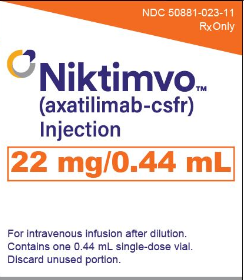
On August 14, 2024, the U.S. Food and Drug Administration (FDA) officially approved azatilizumab for marketing, marking it as the first antibody therapy targeting CSF-1R. This landmark approval is based on excellent data from the AGAVE-201 clinical trial: in relapsed or refractory cGVHD< span>Among the patients, azatilizumab has demonstrated an overall response rate (ORR) of up to 75%, with significant efficacy.
Azatilizumab is administered by intravenous infusion once every two weeks, with each infusion lasting 30 minutes. To ensure patient safety, healthcare providers often pre-administer diphenhydramine (an antihistamine) and acetaminophen (an antipyretic) before infusion to prevent potential infusion reactions.
Although azatilizumab has shown great clinical potential in the treatment of cGVHD, its use is also associated with a series of side effects. People may experience muscle and joint pain, fatigue, signs of infection, nausea, headache, diarrhea, cough, fever and difficulty breathing. In addition, laboratory tests may also reveal abnormalities such as increased liver function indicators and decreased hemoglobin levels. Of particular note, azatilizumab has embryonic-Fetotoxicity may cause damage to the fetus, so women of childbearing potential must take effective contraceptive measures during treatment and within 30 days after stopping the drug. At the same time, breastfeeding women should also avoid using this drug.
The launch of azatilizumab has undoubtedly opened up a new treatment avenue for cGVHD patients and filled the gap in this treatment field. Its unique mechanism of action and significant efficacy make it an important innovation in the field of precision medicine. However, in order to ensure the safety and effectiveness of the treatment, patients must strictly comply with the instructions of medical personnel during use.
Reference link:https://www.niktimvohcp.com/
[ 免责声明 ] 本页面内容来自公开渠道(如FDA官网、Drugs官网、原研药厂官网等),仅供持有医疗专业资质的人员用于医学药学研究参考,不构成任何治疗建议或药品推荐。所涉药品可能未在中国大陆获批上市,不适用于中国境内销售和使用。如需治疗,请咨询正规医疗机构。本站不提供药品销售或代购服务。


