
.jpeg)
What are the side effects of budesonide extended-release capsules?
Budesonide extended-release capsules, as a treatment for mild to moderately active Crohn's disease involving the ileum and/or ascending colon in patients 8 years of age and older, as well as a corticosteroid drug used to maintain clinical remission of the same disease in adults, rely on their high glucocorticoid effect and weak mineralocorticoid effect to perform well in reducing intestinal inflammation and improving the patient's condition. However, just like all drugs that may be accompanied by side effects during treatment, budesonide extended-release capsules are no exception, and they may also cause a series of adverse reactions during use.
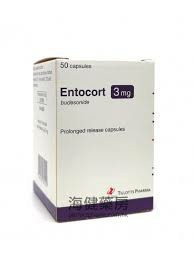
In adult patients, the use of budesonide extended-release capsules may be associated with a range of common side effects, including headache, vomiting, stomach (or abdominal) discomfort, back pain, respiratory infection symptoms, persistent fatigue, indigestion problems, nausea, and dizziness. The most common side effects experienced by children aged 8 to 17 years who weighed more than 25 kilograms (55 pounds) after taking budesonide extended-release capsules were similar to those experienced by adult patients. Usually, these side effects are temporary and may gradually lessen or even disappear on their own as the treatment progresses. However, it is worth noting that for some patients, these side effects may persist or even worsen, thus having a certain impact on their quality of daily life.
In addition to the common side effects mentioned above, budesonide extended-release capsules may also cause some more serious reactions. Long-term use of this drug may cause high levels of corticosteroids in the blood, leading to hypercortisolism. Patients may experience symptoms such as acne, increased or thickened body and facial hair, easily bruised skin, moon face, buffalo hump, pink or purple streaks on the skin, and swollen ankles. In addition, long-term use of budesonide extended-release capsules may also inhibit adrenal gland function, causing the adrenal glands to be unable to produce enough steroid hormones, leading to symptoms such as fatigue, weakness, nausea, vomiting, and hypotension.
For some patients with allergies, switching to budesonide sustained-release capsules may cause the recurrence or aggravation of allergic symptoms, such as eczema, rhinitis, etc. At the same time, due to the suppressive effect of the drug on the immune system, the patient's risk of infection during use will also increase accordingly. Therefore, patients are advised to avoid contact with people with infectious diseases during treatment and to inform their doctor immediately if they develop any signs or symptoms of infection.
In short, although budesonide sustained-release capsules have shown significant efficacy in the treatment of Crohn's disease, patients must also be fully vigilant about possible side effects during use. Be sure to strictly follow your doctor's instructions and use medication rationally, and pay close attention to your body's reaction during medication. If you have any questions or uncomfortable symptoms, you should seek medical consultation immediately to ensure the safety and effectiveness of the medication.
Reference materials:https://www.drugs.com/pro/entocort-ec.html#s-34090-1
[ 免责声明 ] 本页面内容来自公开渠道(如FDA官网、Drugs官网、原研药厂官网等),仅供持有医疗专业资质的人员用于医学药学研究参考,不构成任何治疗建议或药品推荐。所涉药品可能未在中国大陆获批上市,不适用于中国境内销售和使用。如需治疗,请咨询正规医疗机构。本站不提供药品销售或代购服务。


